

The Arabic word for blessing carries with it a theological paradox, in that it offers both a gift and a test.
Ne’meh is Arabic for blessing. It encompasses health, comfort, good fortune and family. Ne’meh kabeera is a great blessing. Al ne’mehtein, or the two blessings, often refers to safety and health. In plural form, ne’meh becomes na’mat or na’amat. As a verb, it becomes an’ama, which can be translated as: to bestow.
Traditionally, ne’meh refers to a God-given favour. To say something is a blessing from God is to say hatha ne’meh men Allah. To be thankful for a blessing, you could say al hamdu-lillah ala al ne’meh.
-

The Arabic word for sign is aya. All photos: The National -

The Arabic word for cat is qita -

Laban is the Arabic word for milk -

Mosa, or Moses in English, is mentioned 136 times in the Quran -

The Arabic word for ownership is tamalouk -

The Arabic word for mint is ne’ena’a -

Shuback is the Arabic word for window -
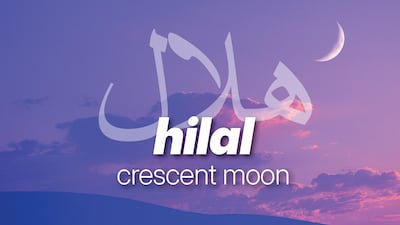
Hilal is Arabic for crescent -

Musafir, the Arabic word for traveller, is often used in music and poetry, evoking a sense of longing and passion -

Raqaba, the Arabic word for neck, can also denote caution and scrutiny -

Ithin, the Arabic word for permission, has many bureaucratic uses -
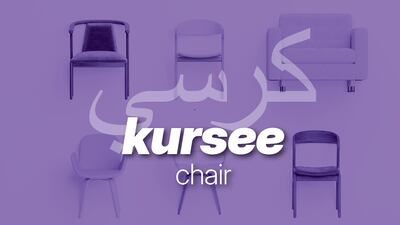
The Arabic word for chair is kursee -

Faten is Arabic name that has many spiritual and poetic meanings -
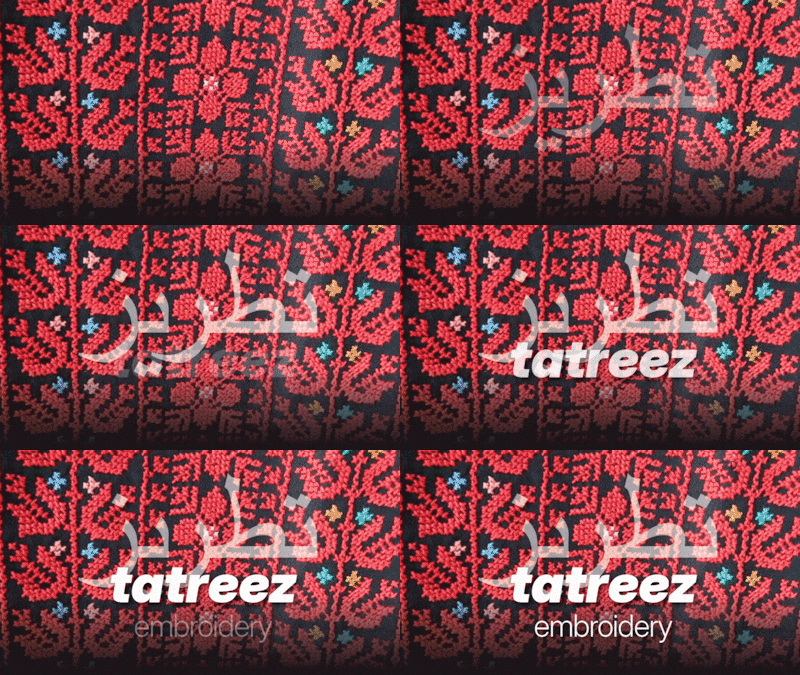
The Arabic word for embroidery is tatreez -
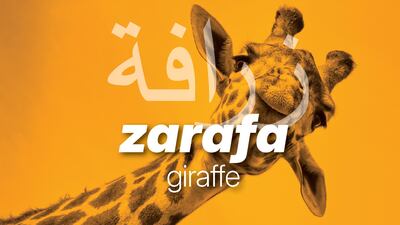
Zarafa is Arabic for giraffe -

The Arabic word for dignity, honour and respect is izza -

Hewi is the Emirati word for front garden -

Lahja is the Arabic word for dialect -
Muratabat is often translated as refreshments -

Handasa is the Arabic word for engineering -

The Arabic word for octopus is akhtaboot -

The Arabic word for mightiness is jabarut -

The Arabic word kibriyaa, often seen in Quranic verses, speaks to might and humility -

Junoon is the Arabic word for madness and obsession -

Adheem is commonly translated as great, magnificent or mighty -

Tanamor is the Arabic word for bullying -

The Arabic word for forgetfulness and oblivion is alnisyan -

Yallah, the Arabic word for 'let's go', is an expression of urgency, encouragement or even impatience -

The Arabic word majlis, rooted in Bedouin tradition, refers to a space for hospitality and dialogue -

Falaj is Arabic for water channel -

Ne'meh is Arabic for blessing -

The Arabic word sumud means resilience and steadfastness -

The Arabic word for mountain is jabal -

Kibreet is Arabic for matchstick -

Sahaba means cloud in Arabic -

Qilada is the Arabic word for necklace


Islamic scholars – such as Ibn Arabi, the 12th century Andalusian polymath – have pointed out the trials inherent within blessings. Unlike hardships, they are a more subtle type of test. When living a life of ease, it is easy to neglect blessings or take them for granted. Not recognising a ne’meh as a privilege is considered a spiritual failure. This shortcoming, or ingratitude, is sometimes referred to as kufr al-ne’meh.
The root of ne’meh renders other words that echo with similar connotations. Often used as a name, na’eem resonates with meanings of bliss, health, wealth and peace of mind. You can describe someone who is calm and collected as na’eem al bal. Janat al na’eem, or dar al na’eem, refers to paradise. Na’eem Allah refers to God’s mercy.
Finally, ne’meh can be used with a a sardonic undertone. Enta/enti ne’meh fi hayati can be a sincere expression of appreciation, but the phrase – you are a blessing in my life – is also often said sarcastically.

