Samsung Galaxy through the years — in pictures
-
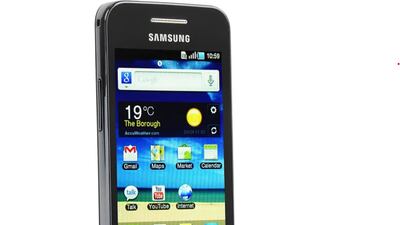
Samsung released its first Galaxy S phone in 2010, three years after the launch of the first Apple iPhone. It had a 4-inch (10.16 centimetre) Super AMOLED display and a five-megapixel rear camera. Photo: Samsung -
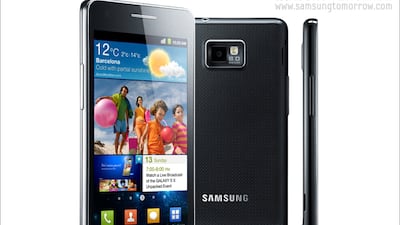
Samsung's Galaxy S2, released in 2011, looked, as you would expect, like a jump forward in terms of technology. The screen was slightly bigger, at 4.3 inches, while the rear camera was now 8MP. The device came with a dual-core processor. Photo: Samsung -
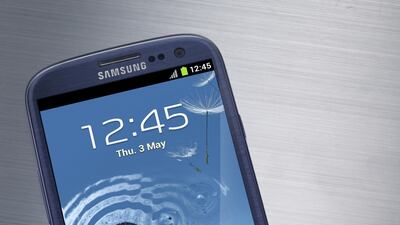
The Samsung Galaxy S3, which was released in 2012, was the first in the series to have an HD screen. The new design had a more rounded shape. It ran on the Android 4.0 Ice Cream Sandwich operating system. Photo: Samsung -
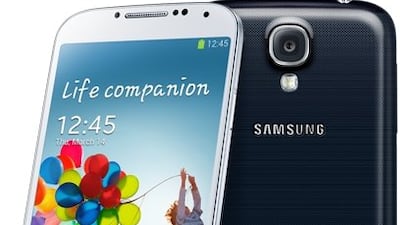
Samsung's Galaxy S4 was released in April 2013 and felt like a real competitor to the iPhone. Its processing power was increased, the screen was enlarged to five inches and the rear camera to 13MP. Photo: Samsung -
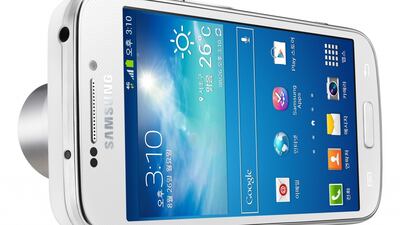
Ah, some innovation ... the Samsung Galaxy S4 Zoom came with an optical zoom lens on the back. Quirky, and not necessarily practical. Photo: Samsung -
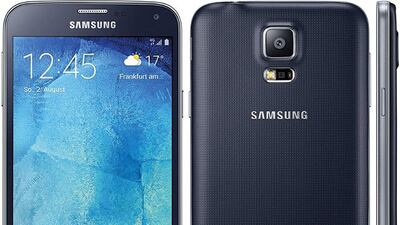
Samsung's Galaxy S5 arrived in 2014 and came with a plastic back which didn't feel particularly advanced. However, the phone itself had a 5.1-inch screen which produced beautiful colours (for the time). The S5 had a heart-rate monitor, was water-proof and had a 16MP rear camera. Photo: Samsung -
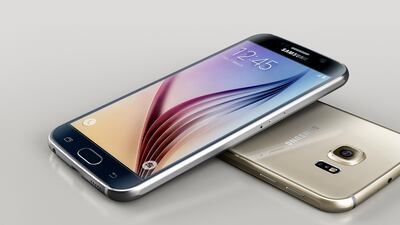
There was a big change in store for the Samsung Galaxy series in 2015. It launched the Galaxy S6 and S6 edge at the same time. Photo: Samsung -
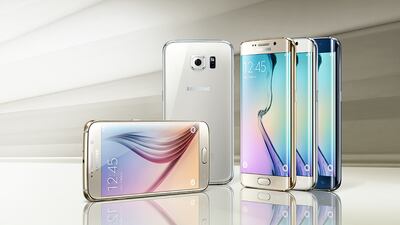
The Samsung Galaxy S6 edge was full metal and had two curved sides extending the screen. This was a big jump and a step ahead of Apple. Photo: Samsung -
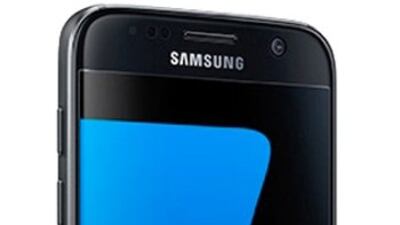
Samsung's Galaxy S7 came in 2016 and incorporated Samsung Pay. The 2K screen resolution was impressive. The edge version offered a wraparound display. Photo: Samsung -
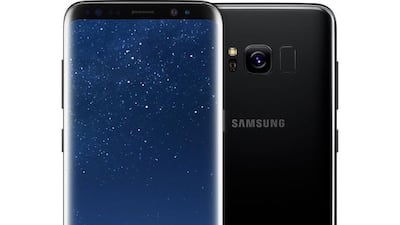
Both Samsung Galaxy S8 models had curved sides. A fingerprint button was moved to the back while a button on the side was introduced for voice assistant Bixby. Photo: Samsung -
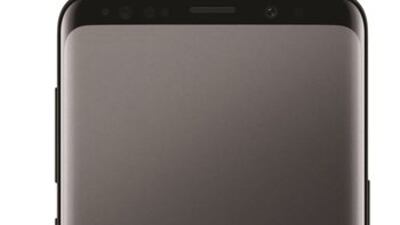
The Samsung Galaxy S9 arrived in 2018 and had a much stronger battery than the S8. Otherwise, it was a very similar product. Photo: Samsung -

Samsung's Galaxy S10 was released in 2019 and came with a triple-camera system. It had a punch-hole camera on the front and an UltraSonic fingerprint sensor. Photo: Samsung -
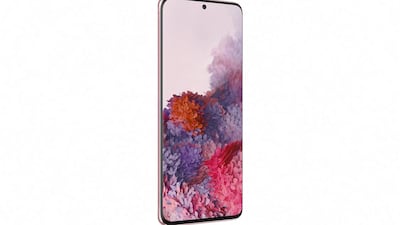
Samsung's 6.2-inch Galaxy S20 was 2020's offering and there were two other versions — the 6.7-inch S20+ and the 6.9-inch S20 Ultra. The phones were 5G-enabled. The S20 and S20+ came with 64MP cameras while the S20 Ultra came with a 108MP camera. Photo: Samsung -

The Samsung Galaxy S21 series came with bigger batteries, advanced computing, greater energy efficiency, improved cameras and enhanced privacy features. Samsung added a stylus to the S21 Ultra — a first in the series. Photo: Samsung -
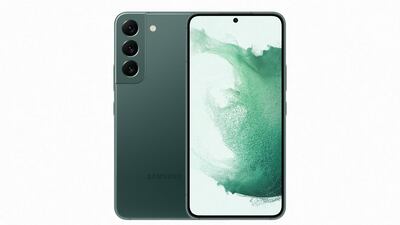
Samsung's Galaxy S22 was unveiled in February 2022, with the S22, S22+ and S22 Ultra, the last of which featured a slot to hold the S Pen, the signature accessory of the Note series. Photo: Samsung -

The Samsung Galaxy Note 3 was first launched in 2011 with its big screen and stylus functionality. The series continued until the Note 20 in 2020, when the stylus was moved to the S series. Photo: Samsung -
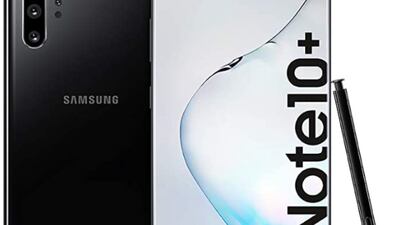
The release of the Note 10 in 2019 marked the first time Samsung offered a Plus model of its Note. It had a 6.8-inch display. Photo: Samsung -
The Galaxy Z Flip came in March 2020 and was like turning back time, with phone makers having tried flip phones many years before. It uses a hybrid glass coating called an Infinity Flex Display. Pawan Singh / The National -
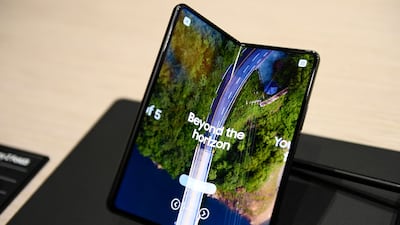
The Samsung Galaxy Z Fold was first unveiled in March 2019. It opened out horizontally to create a 7.3-inch tablet-style screen. AFP


Most popular today

