

Universities in Iran are to bar female students who refuse to wear the hijab from education services, officials have said.
The Ministry of Science, Research and Technology said all universities and higher education centres under its supervision will be able to bar female students who do not wear a hijab from educational and welfare services, according to a statement carried by the judiciary's Mizan news agency.
An education official from the Ministry of Health said medical schools "are prohibited from providing any services to students without the Islamic hijab".
The move comes as the Iranian government signals stricter enforcement of hijab laws after months of nationwide protests triggered by the death of Mahsa Amini, 21, the custody of the morality police last September.
She had been detained in Tehran three days earlier for wearing her hijab "improperly".
The death of Ms Amini death sparked public fury and demonstrations across the country. Women burnt headscarves and called for regime change.
On Saturday, Iran's judiciary chief threatened to prosecute women not wearing the hijab "without mercy".
Gholamhossein Mohseni Ejei said not wearing a hijab was "tantamount to enmity with [our] values" and would be "punished and prosecuted without mercy".
His warning followed a statement from the Ministry of the Interior describing covering up as “one of the civilisational foundations of the Iranian nation," adding there would be no “retreat or tolerance” on the issue.
Women in Iran have been required to cover their hair and wear loose-fitting clothing in public since the Islamic Revolution in 1979, although many women oppose the rules.
They are also banned from singing and dancing in public.
Two women were arrested last week after a man attacked them with yoghurt, apparently for not covering their hair in public.
Video of the incident went viral on social media.
-
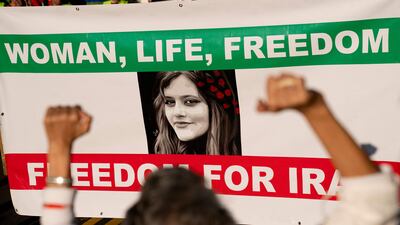
Demonstrators chant slogans during the March of Solidarity for Iran in Washington. AFP -
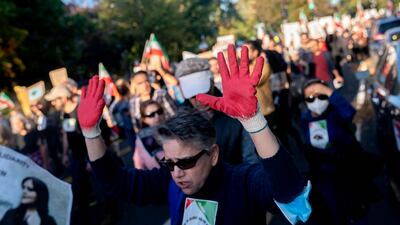
Another group of demonstrators at the march. AFP -
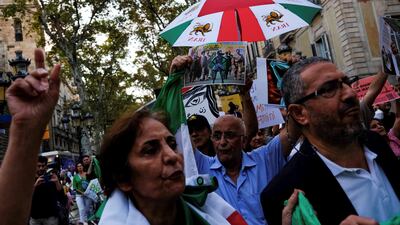
A protest in support of Iranian women in Barcelona. Reuters -
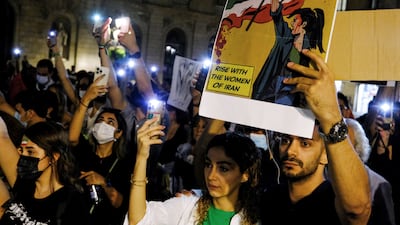
Iranian citizens and locals joined in the Barcelona protest. Reuters -
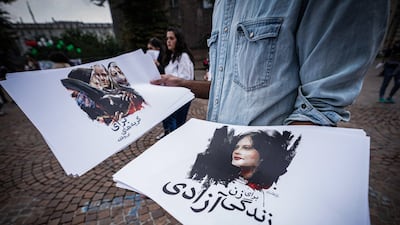
People attend a demonstration in solidarity with Mahsa Amini and other Iranian women in Castello Square, Turin. EPA -
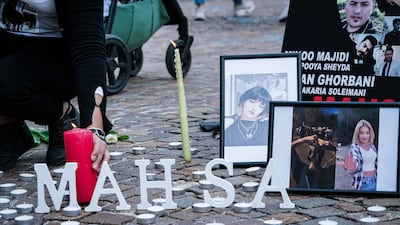
A person places a candle during the demonstration in Turin. EPA -
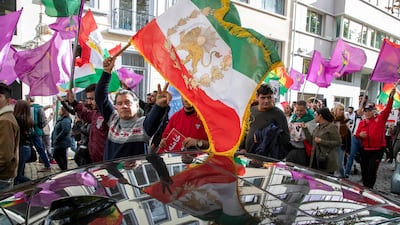
A protester holds a pre-Islamic Revolution Iranian flag during a demonstration in Brussels in support of the Iranians fighting for their freedom. AFP -
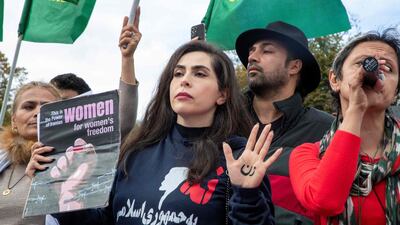
A protester wearing a top with a logo that reads 'No to an Islamic state" as she takes part in a rally in support of the Iranian people, in Brussels. AFP -
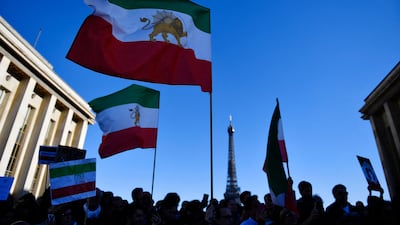
People wave the Shah-era Iranian flag during a protest in Paris. AFP -
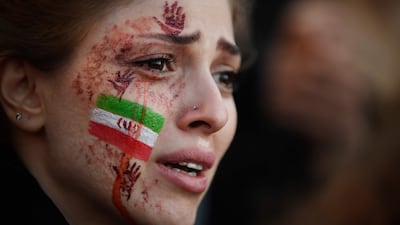
A woman shows her true colours in the protest against the Iranian government, in Paris. AFP -
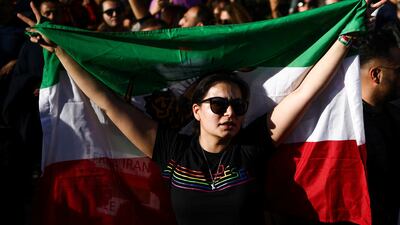
A woman holds a flag, as people protest against the Iranian regime outside Iran's embassy in central London. Reuters -
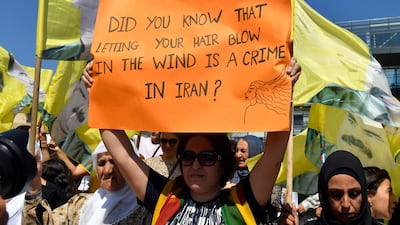
Supporters of the Kurdistan Workers' Party (PKK) carry placards and wave party flags in Beirut, during a protest against the death of Ms Amini. EPA -
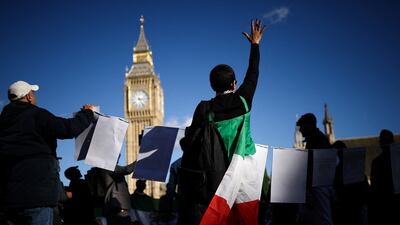
People demonstrate against the Iranian government outside the Houses of Parliament in London following the death of Amini. Reuters -
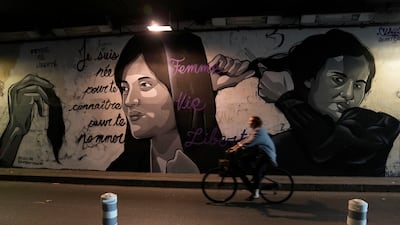
A mural in Paris depicts women cutting their hair to show support for Iranian protesters. AP -
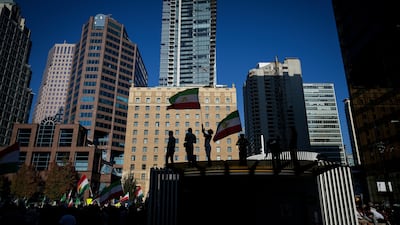
People take part in a rally against the Iranian government in Vancouver, Canada, on Saturday. AP -
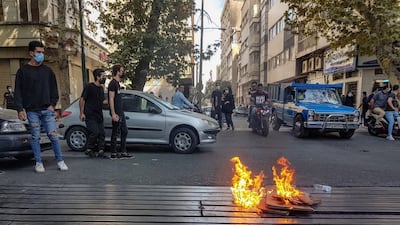
Protesters take to the streets of Tehran. EPA -
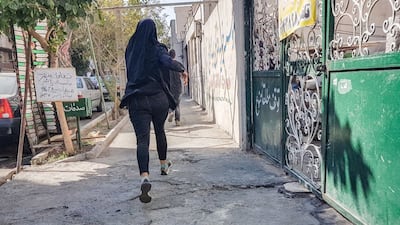
Iranian protesters run after clashing with with police. EPA -
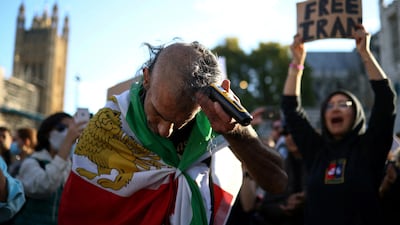
A protester shaves their head outside the Houses of Parliament in London. Reuters -
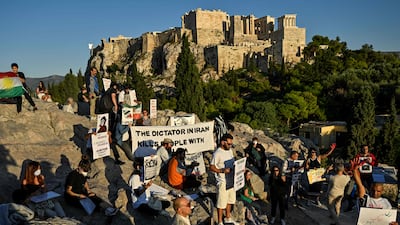
Iranians living in Athens hold a protest in solidarity. AFP -
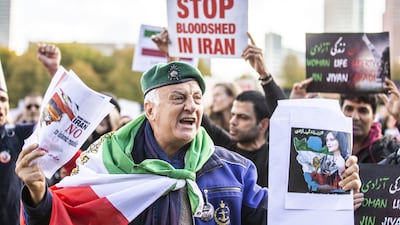
People take part in a rally in The Hague. AFP -
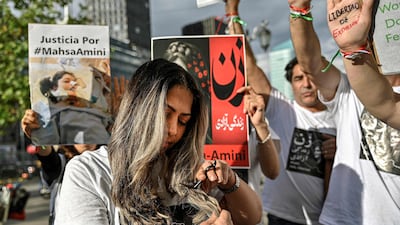
A woman cuts her hair during a demonstration in Santiago, Chile, by feminist groups and Iranian migrants in support of Iranian women following the death of Amini. AFP -
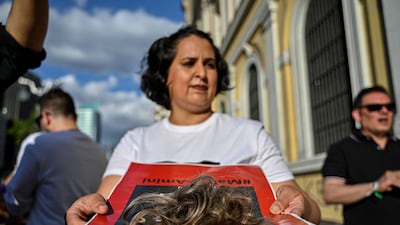
Members of feminist groups and Iranian migrants during the protests in Santiago. AFP -
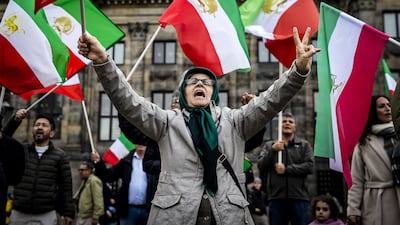
Iranian activists shout slogans during a protest against the government in Tehran, in Amsterdam, The Netherlands. EPA -
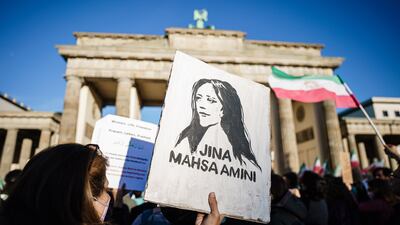
A protester holds a painted portrait of Mahsa Amini in Berlin, Germany. EPA -
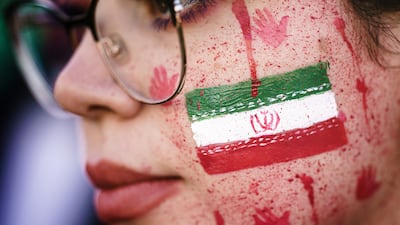
A protester shows red paint on her face, resembling blood splatters and bloody handprints next to the national Iranian emblem, during a rally in Berlin. EPA -
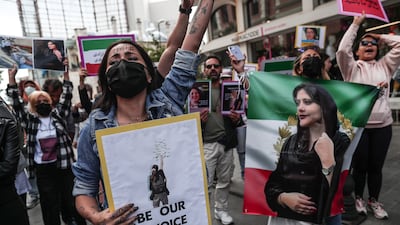
Iranian protesters shout slogan during a protest in Istanbul, Turkey. EPA -
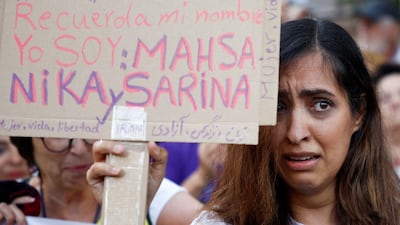
A woman holds a sign during a protest against the Iranian government, in front of the country's embassy in Madrid, Spain. The protests were triggered by the death of a young Iranian woman, Mahsa Amini, in police custody. Reuters -
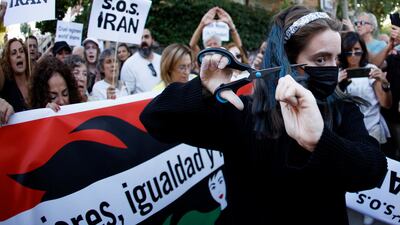
A woman cuts her hair during the protest in front of the Iranian embassy in Madrid. Reuters -
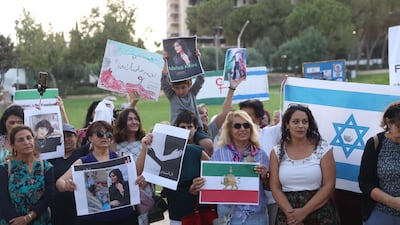
Israelis show their support for women in Iran as they hold up placards of Amini during a protest in Jerusalem. EPA -
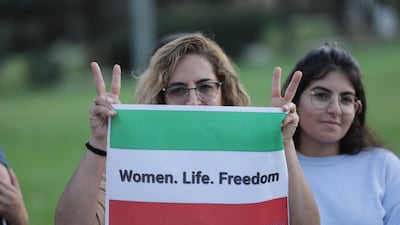
Amini, 22, was arrested in Tehran on September 13, 2022, by the morality police. She fell into a coma while in police custody and was declared dead on September 16. EPA -
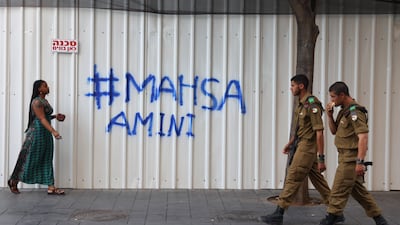
People walk by graffiti in support of the protests triggered by Amini's death, in Jerusalem. EPA -
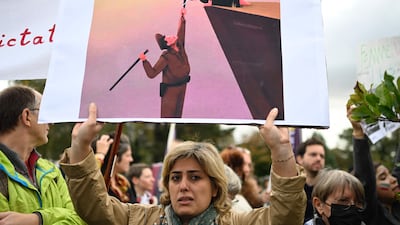
A protest in Nantes, western France, after the death of Amini in Iranian police custody. AFP -
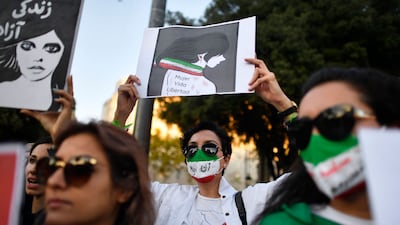
Women gather for a demonstration in Barcelona, Spain. AFP -
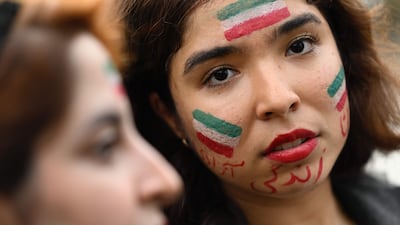
Demonstrators in Nantes. Amini's death has sparked a global protest movement. AFP -
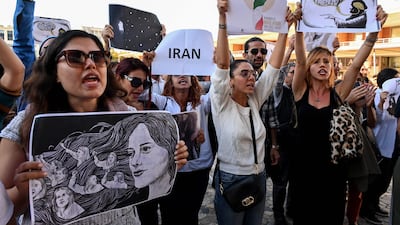
Women protest outside the town hall in in Montpellier, southern France. AFP -
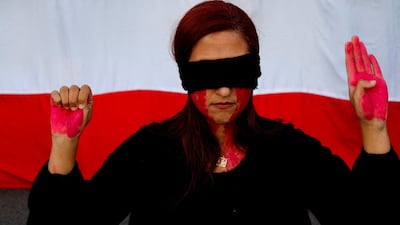
A woman at a protest in Catalunya Square, Barcelona. Reuters -
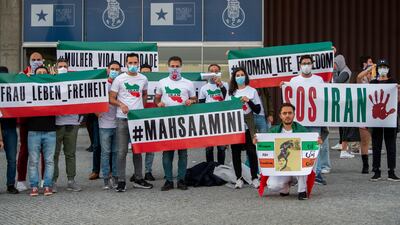
Campaigners and football fans protest at a Champions League match between Porto and Bayer Leverkusen at the Dragao stadium in Portugal. EPA -
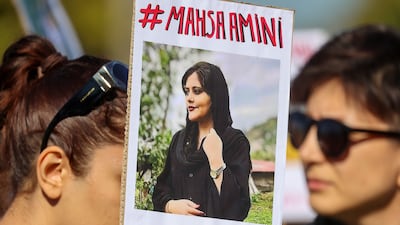
People hold placards during a demonstration in solidarity with the Iranian people near the European Parliament in Strasbourg, France. EPA -
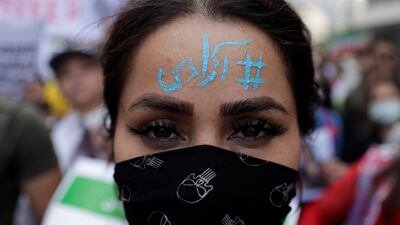
An Iranian woman living in Turkey with 'Freedom' written on her forehead takes part in a protest near the Iranian consulate in Istanbul. Reuters -
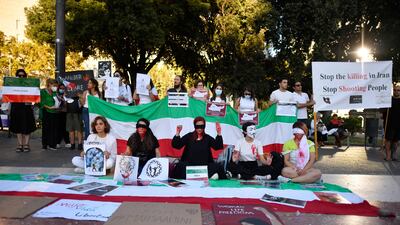
In Barcelona, protesters take part in a demonstration in support of Iranian women. AFP -
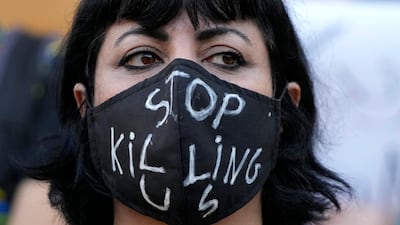
A Lebanese activist takes part in a protest in Beirut, triggered by the death of Amini, 22. AP -
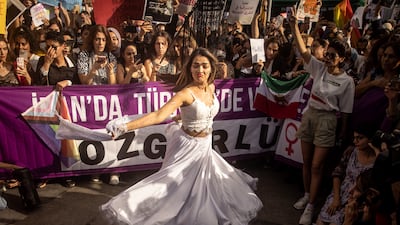
A Turkish protester takes off her head scarf while giving a performance in Instanbul during a protest against Iran over Amini's death. Getty -

A woman in Istanbul cuts her hair during a protest against Iran. Getty -
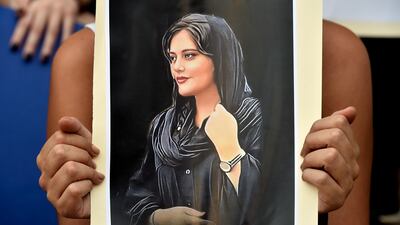
A Lebanese activist holds a poster depicting Amini during a protest in Beirut organised by feminist groups in support of women protesters in Iran. EPA -
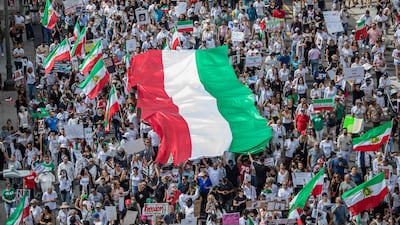
Demonstrators in Los Angeles, California, hold the Iranian flag during a protest against the government in Tehran. AFP -
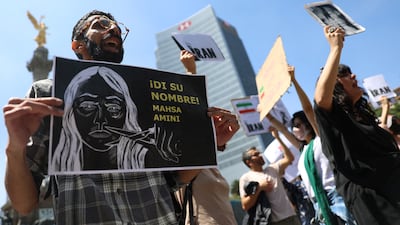
Demonstrators hold placards in Mexico City during a protest against Iran. Reuters -
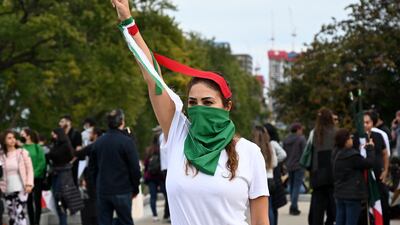
People demonstrate in Montreal, Canada, during a protest triggered by Amini's death. AFP -
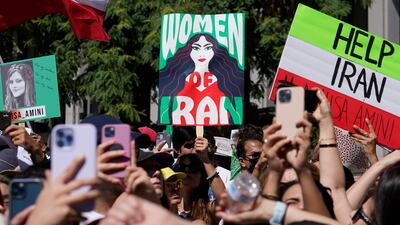
Iranian Americans participate in a rally in central Los Angeles, in solidarity with women in Iran. AP -
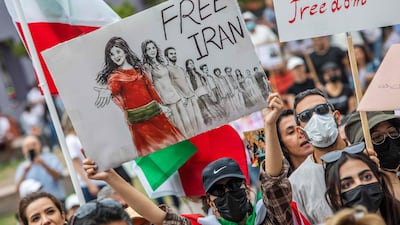
Demonstrators march during a protest in Los Angeles, California. AFP -
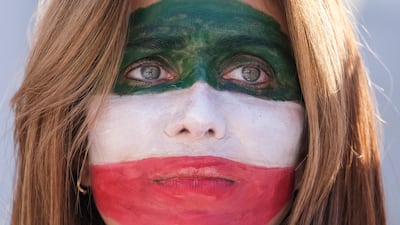
A woman with the colours of the Iranian flag painted on her face participates in a rally as thousands demonstrate in support of Iranian women in Los Angeles. EPA -
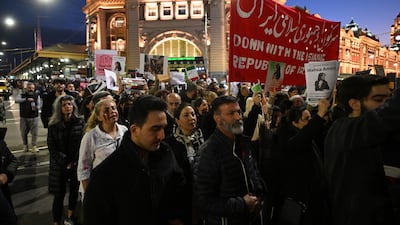
Australians protest over Amini's death in Melbourne. EPA -
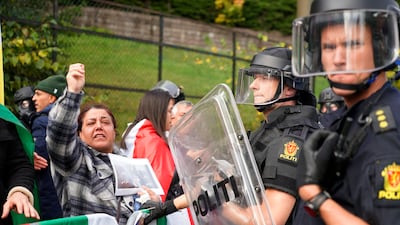
Police block protesters from entering Iran's embassy in Oslo, Norway. EPA -
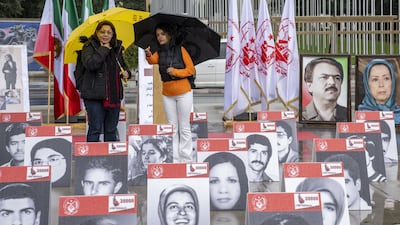
Demonstrators in front of the European headquarters of the UN in Geneva, Switzerland, during a rally against Iran. EPA -
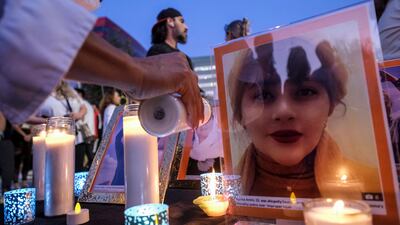
A candlelight vigil for Amini in Los Angeles. AFP -
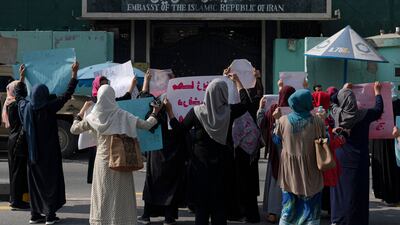
Afghan women hold placards as they take part in a protest in front of the Iranian embassy in Kabul. AFP -
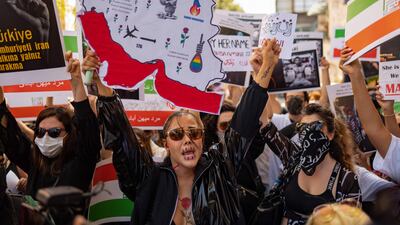
Protestors take part in a rally outside the Iranian consulate in Istanbul. AFP -
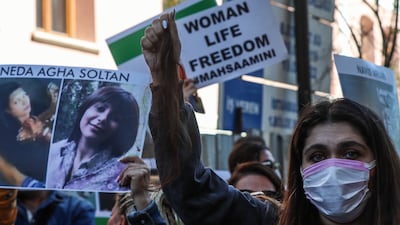
An Iranian woman shows a lock of hair she cut off during a protest outside the Iranian consulate in Istanbul. EPA -
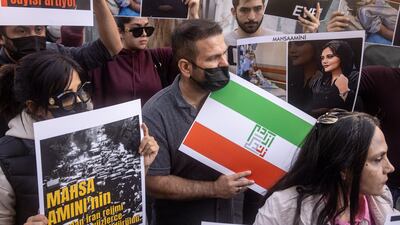
Demonstrators outside the Iranian consulate in Istanbul. Getty -
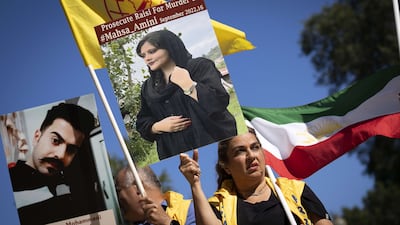
Iranian Americans rally on Capitol Hill in Washington to show support for protesters in Iran. AFP -
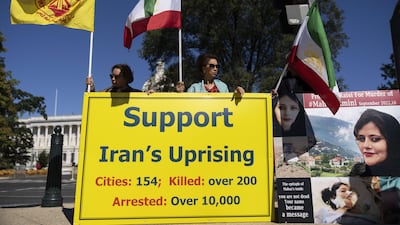
Protesters on Capitol Hill hold a sign condemning the crackdown by Tehran. AFP -
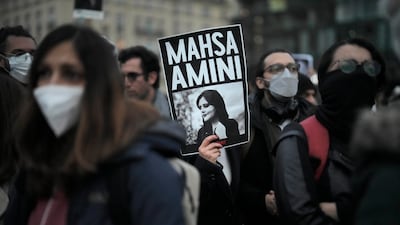
German demonstrators gather in Berlin after the death of Amini in Iranian police custody. AP -
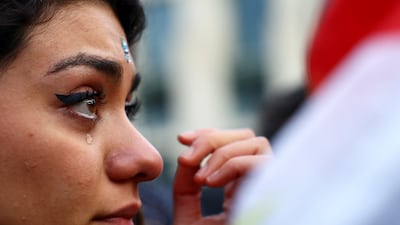
A protester cries during a rally in Berlin. Reuters -
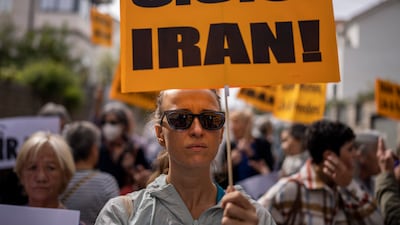
A demonstration in Madrid, Spain. Thousands have gathered in cities across Europe to support protests in Iran. AP -
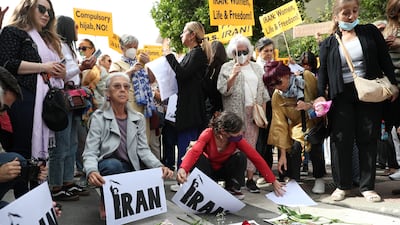
Demonstrators gather outside the Iranian embassy in Madrid. Reuters -
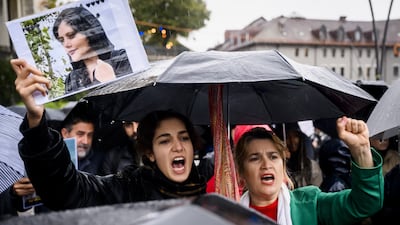
People take part in a protest in Lausanne, Switzerland. EPA -
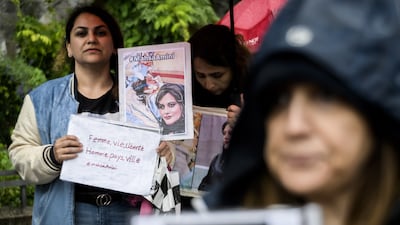
Protesters hold signs featuring images of Amini during the protest in the western Swiss city. EPA -
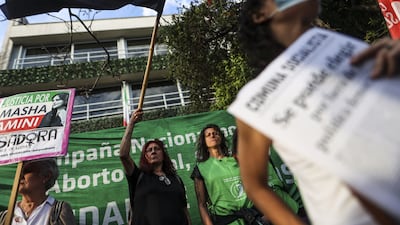
Demonstrators in front of the Iranian embassy in Buenos Aires, Argentina. EPA -
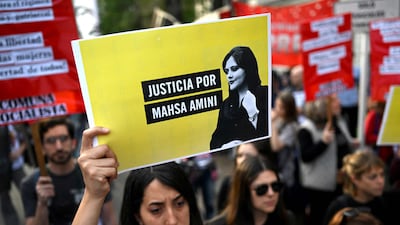
An activist outside the Iranian embassy in Buenos Aires, Argentina, with a sign that reads 'Justice for Mahsa Amini'. AFP -
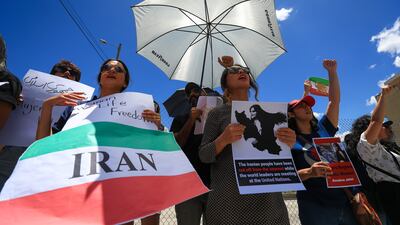
A demonstration against violence in Iran is held in Quito, Ecuador. The Iranian community in Ecuador protested outside the Iranian embassy. EPA -
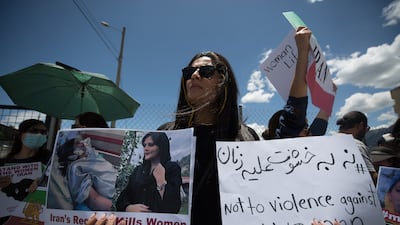
Protesters at a demonstration outside the Iranian embassy in Quito, Ecuador. EPA


The judiciary said the women were detained on charges of showing their hair in public, while the man was held for disturbing public order.
Also on Sunday, the Ministry of Education published a set of guidelines for institutes, asking teachers to "pay special attention" to the hijab and "chastity".
It said teachers should use textbooks to explain the necessity of the hijab and chastity and "enrich" student's leisure time by encouraging student organisations in the field.
Other guidelines to promote wearing the hijab followed, including using "popular figures" and Olympians to explain the hijab and Islamic culture.
Schoolgirls and university students have been vocal in the protests and have found themselves facing a government backlash.
A spate of poisonings — suspected to be gas attacks — have been reported at girls' schools across Iran since November.
Human rights groups and activists claimed the government was behind the attacks, while Tehran has blamed protesters.

