


The UN Human Rights Council has agreed to investigate alleged crimes committed during Israel's bombardment of Gaza.
The independent investigation will look into reported breaches in Gaza, the West Bank and Israel that occurred before a ceasefire halted hostilities on May 21.
Michelle Bachelet, the UN High Commissioner for Human Rights, told the council that Israeli strikes on Gaza may constitute war crimes, and that Hamas breached international humanitarian law by firing rockets into Israel.
In response, Israeli Prime Minister Benjamin Netanyau said: "Today's shameful decision is yet another example of the UN Human Rights Council's blatant anti-Israel obsession."
Ms Bachelet earlier said there was no evidence that buildings, including media offices and international humanitarian organisations in Gaza, housed armed groups, despite Israeli claims.
Israel used such claims to justify the bombing of buildings in Gaza, including the bureau of AP.
Ms Bachelet was speaking at a special session of the council in Geneva, after a ceasefire last Friday brought an end to 11 days of fighting between Israel and armed Palestinian groups.
“Although Israel undertook a number of precautions, such as advance warning of attacks in some cases, air strikes in such densely populated areas resulted in a high level of civilian fatalities and injuries, as well as the widespread destruction of civilian infrastructure," Ms Bachelet said.
"If found to be indiscriminate and disproportionate in their impact on civilians and civilian objects, such attacks may constitute war crimes."
She urged Hamas to stop carrying out indiscriminate attacks, “for which there must be accountability".
"There is no doubt that Israel has the right to defend its citizens and residents," Ms Bachelet said.
"However, Palestinians have rights too – the same rights."
Israel's Foreign Ministry said its forces had acted "in accordance with international law, in defending citizens from Hamas’s indiscriminate rocket fire".
A spokesman for Hamas called the group's actions "legitimate resistance" and called for "immediate steps to punish" Israel.
The US, Israel's main ally, said it deeply regretted the decision in the forum, where it has observer status and no vote.
-

A boy rides his bicycle amid the rubble of destroyed homes in Beit Hanoun, Gaza. Getty -
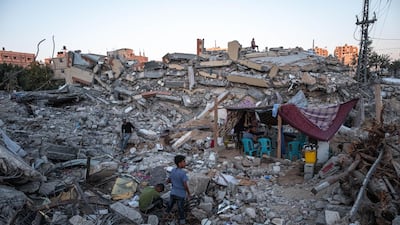
Life resumes amid the rubble of destroyed homes in Beit Hanoun, Gaza. Getty -
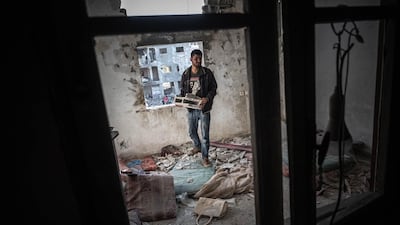
A Palestinian man tries to put his home back in order after Israeli air strikes on Beit Hanoun, Gaza. Getty -
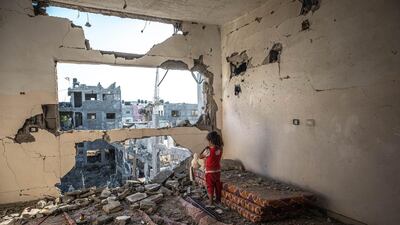
A Palestinian girl stands amid the rubble of her destroyed home in Beit Hanoun, Gaza. Getty -
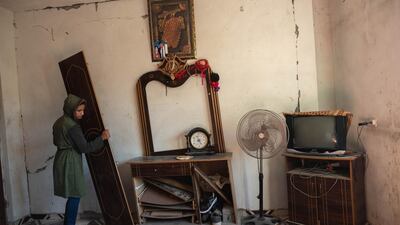
A Palestinian woman puts her house back in order after Israeli aerial raids over the past couple of weeks in Beit Hanoun, Gaza. Getty -
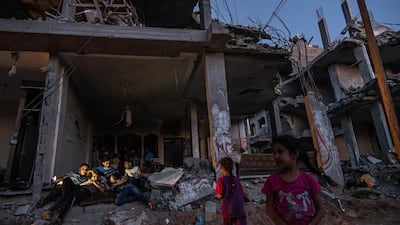
Life resumes amid the rubble of destroyed homes in Beit Hanoun, Gaza. Getty -
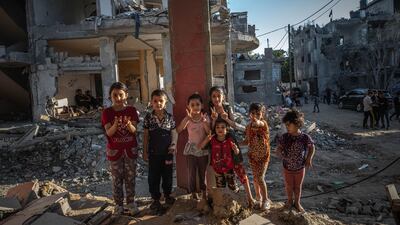
Palestinian children resume life amid the rubble of destroyed homes in Beit Hanoun, Gaza. Getty -
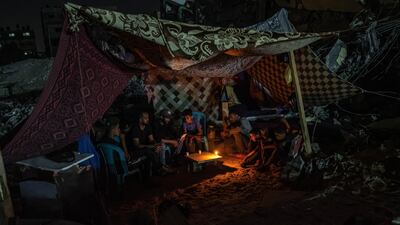
Palestinians in Gaza city sit in a tent set up on top of the ruins of a building destroyed in Israeli air strikes. Getty -
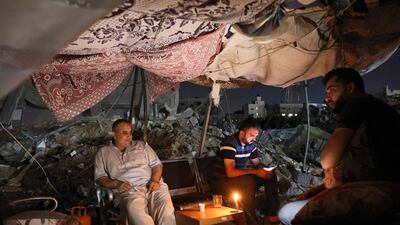
Palestinians sit in a tent that has been set up on top of the ruins of a building destroyed in recent Israeli air strikes, in Gaza city. AFP -
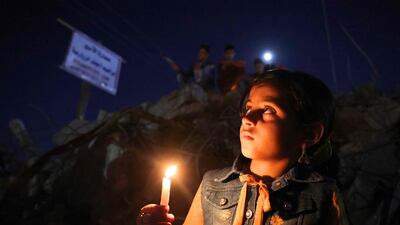
A Palestinian child attends a rally in Gaza city amid the ruins of houses destroyed by Israeli strikes. AFP


At least 253 Palestinians were killed and 1,900 injured in the recent fighting.
Attacks on Israeli territory by Gaza-based armed groups, including Hamas, killed 12 and wounded 357.

