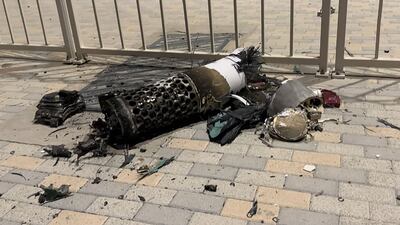
It was one of the most public, personalised and extraordinary schisms between the US and Israel, and certainly the first conducted on television and in real time.
US President Donald Trump found himself decisively in over his head, swearing at Israeli Prime Minister Benjamin Netanyahu, and – largely for politically necessary balance – at Iran’s leadership, to maintain his ceasefire. On TV, then social media, and finally an angry telephone call. In a flurry of 20 minutes, Israel was compelled to call off a major air strike.
As Israel sent aircraft streaking towards Iran in response to a lone missile that, as he noted, may well have been erroneously launched, Mr Trump instantly recognised that he was about to be played.
He wasn’t going to put up with it. The old dictum about “no daylight” between American and Israeli positions just can’t function with a US President as patrimonial as Mr Trump and an Israeli Prime Minister as prevaricating as Mr Netanyahu. Mr Netanyahu was compelled to hit a minor radar installation site instead.
That’s how a 48-hour whirlwind of real and phony attacks, theatrical and genuine threats, and an atmosphere of overall mayhem, saw Mr Trump flailing and frustrated.
The US President found himself trapped between his characteristically self-serving rhetoric and realities, and between his goals and Mr Netanyahu’s ongoing effort to lure the Americans into a protracted conflict with Iran that Mr Trump is still seeking to avoid.
As the dust settles, it’s unclear what was really accomplished by Israel’s “war of the cities” with Iran launched on June 13, with the important but hardly decisive American footnote last Saturday. Israel did manage to at least postpone what appeared to be promising US-Iranian talks, with an American proposal of Tehran joining a regional “consortium” for nuclear energy production with key Arab countries as a potential workaround for the vexed problem of Iran’s “right to enrich”.
The idea alarmed Israel sufficiently to unleash its barrage, and that, in turn, was successful enough to prompt Mr Trump to join the fray with a single action that was never intended to be the opening salvo of a protracted US bombing campaign against Iranian nuclear sites.
All three parties now find themselves in traps of their own making.
It’s unclear how much damage was done to Iran’s nuclear programme. But Tehran has taken some potent blows, including the devastation of its paramilitary leadership and a generation of top nuclear scientists. Tehran paid a heavy price for playing games with highly enriched uranium, as noted in a damning report from the International Atomic Energy Agency, and more broadly for reckless rhetoric about “destroying” Israel and absurd slogans like “death to America”.
However, Israel has certainly not ensured that Iran will never become a nuclear power. On the contrary, it may have ensured that while Iran proceeds with greater caution, the war has only amplified the already evident lesson that adversarial countries that don’t have a nuclear deterrent, like Iraq and Libya, are likely to face external attack while those that do, like North Korea, aren’t.
Iran has sought a nuclear deterrent since the Shah and that determination will undoubtedly have sharply increased, even among those implacably opposed to the current establishment. The Israelis may have thrown their best punch, leaving Iran bloodied and battered but more determined than ever to eventually become the second nuclear weapons power in the Middle East – Israel itself having long since introduced those weapons to the region.
How Israel deals with this new reality, unless it finds a way to resume warfare despite Mr Trump’s angry objections, remains to be seen. A satisfactory solution appears farther off than ever.
Even Mr Trump, albeit clearly less than his Iranian and Israeli counterparts, has put himself in an unenviable corner without an obvious escape route. His administration is already tying itself into rhetorical contortions over his insistence that the three Iranian nuclear sites he struck were “completely and totally obliterated”, at least in terms of enrichment. Even at the time, it was obvious that he couldn’t have been relying on any serious preliminary evaluation, and was simply engaging in his trademark “truthful hyperbole”, as he described his form of self-serving remarks in his ghost-written memoir, The Art of the Deal.
Leaked reports from the Defence Intelligence Agency – based on actual preliminary assessments, including new surveillance footage, signals intelligence and very possibly human intelligence from inside Iran – suggest that, on the contrary, while the bunker-buster bomb attacks may have badly damaged entranceways to the Fordow mountainside network, they did not render the interior facilities non-functional or even hard-hit. They concluded that Iran’s enrichment work there, and at other sites in question, will be disrupted for months, but hardly “obliterated”.
This is consistent with what one would expect from a strike that would have been only the opening salvo in existing US plans to actually obliterate that facility. These called for round-the-clock bunker-buster strikes over many days, if not weeks, before the tunnel network was collapsed on itself or rendered otherwise fully non-functional. That obviously wasn’t going to happen from a handful of impacts, even with such powerful weapons.
Israel, too, cannot fully know how much harm it has caused to Iran’s nuclear research and development programme. Even Iranian officials are most probably still assessing the true extent.
Israel was surely seeking to deliver a knockout blow to the programme, or rather to get Washington to do that for it. Neither seems to have occurred.
So, less than two weeks after Israel launched its supposedly decisive war, we are effectively back to square one, albeit with Iran having absorbed significant and painful losses that will take energy, resources and time that the impoverished country can ill afford. Whether Mr Trump can get Iran back to the negotiating table with renewed seriousness remains to be seen, although it would clearly be in Tehran’s interests to strike a deal with Washington even now.
However, we may eventually look back at this conflict as the moment in which Israel ensured that it would have to live alongside a nuclear-armed Iran rather than having permanently eliminated the prospects for that.
Bitter irony is often the greatest victor in warfare. She may yet again have prevailed.
Formula%204%20Italian%20Championship%202023%20calendar
%3Cp%3EApril%2021-23%3A%20Imola%3Cbr%3EMay%205-7%3A%20Misano%3Cbr%3EMay%2026-28%3A%20SPA-Francorchamps%3Cbr%3EJune%2023-25%3A%20Monza%3Cbr%3EJuly%2021-23%3A%20Paul%20Ricard%3Cbr%3ESept%2029-Oct%201%3A%20Mugello%3Cbr%3EOct%2013-15%3A%20Vallelunga%3C%2Fp%3E%0A
NBA Finals so far
(Toronto lead 3-1 in best-of-seven series_
Game 1 Raptors 118 Warriors 109
Game 2 Raptors 104 Warriors 109
Game 3 Warriors 109 Raptors 123
Game 4 Warriors 92 Raptors 105
Polarised public
31% in UK say BBC is biased to left-wing views
19% in UK say BBC is biased to right-wing views
19% in UK say BBC is not biased at all
Source: YouGov
COMPANY PROFILE
Name: Kumulus Water
Started: 2021
Founders: Iheb Triki and Mohamed Ali Abid
Based: Tunisia
Sector: Water technology
Number of staff: 22
Investment raised: $4 million
MATCH INFO
Uefa Champions League semi-finals, second leg:
Liverpool (0) v Barcelona (3), Tuesday, 11pm UAE
Game is on BeIN Sports
Tearful appearance
Chancellor Rachel Reeves set markets on edge as she appeared visibly distraught in parliament on Wednesday.
Legislative setbacks for the government have blown a new hole in the budgetary calculations at a time when the deficit is stubbornly large and the economy is struggling to grow.
She appeared with Keir Starmer on Thursday and the pair embraced, but he had failed to give her his backing as she cried a day earlier.
A spokesman said her upset demeanour was due to a personal matter.
Star%20Wars%3A%20Episode%20I%20%E2%80%93%20The%20Phantom%20Menace
%3Cp%3E%3Cstrong%3EDeveloper%3A%3C%2Fstrong%3E%20Big%20Ape%20Productions%3Cbr%3E%3Cstrong%3EPublisher%3A%3C%2Fstrong%3E%20LucasArts%3Cbr%3E%3Cstrong%3EConsoles%3A%3C%2Fstrong%3E%20PC%2C%20PlayStation%3Cbr%3E%3Cstrong%3ERating%3A%3C%2Fstrong%3E%202%2F5%3C%2Fp%3E%0A
The specs: 2018 Maxus T60
Price, base / as tested: Dh48,000
Engine: 2.4-litre four-cylinder
Power: 136hp @ 1,600rpm
Torque: 360Nm @ 1,600 rpm
Transmission: Five-speed manual
Fuel consumption, combined: 9.1L / 100km
Jawan
%3Cp%3E%3Cstrong%3EDirector%3A%20%3C%2Fstrong%3EAtlee%3C%2Fp%3E%0A%3Cp%3E%3Cstrong%3EStars%3A%3C%2Fstrong%3E%20Shah%20Rukh%20Khan%2C%20Nayanthara%2C%20Vijay%20Sethupathi%26nbsp%3B%3C%2Fp%3E%0A%3Cp%3E%3Cstrong%3ERating%3A%20%3C%2Fstrong%3E4%2F5%3C%2Fp%3E%0A
HWJN
%3Cp%3EDirector%3A%20Yasir%20Alyasiri%3C%2Fp%3E%0A%3Cp%3EStarring%3A%20Baraa%20Alem%2C%20Nour%20Alkhadra%2C%20Alanoud%20Saud%3C%2Fp%3E%0A%3Cp%3ERating%3A%203%2F5%3C%2Fp%3E%0A%3Cp%3E%3C%2Fp%3E%0A
START-UPS%20IN%20BATCH%204%20OF%20SANABIL%20500'S%20ACCELERATOR%20PROGRAMME
%3Cp%3E%3Cstrong%3ESaudi%20Arabia%3C%2Fstrong%3E%3C%2Fp%3E%0A%3Cp%3E%3Cstrong%3EJoy%3A%3C%2Fstrong%3E%20Delivers%20car%20services%20with%20affordable%20prices%3C%2Fp%3E%0A%3Cp%3E%3Cstrong%3EKaraz%3A%3C%2Fstrong%3E%20Helps%20diabetics%20with%20gamification%2C%20IoT%20and%20real-time%20data%3C%2Fp%3E%0A%3Cp%3E%3Cstrong%3EMedicarri%3A%3C%2Fstrong%3E%20Medical%20marketplace%20that%20connects%20clinics%20with%20suppliers%3C%2Fp%3E%0A%3Cp%3E%3Cstrong%3EMod5r%3C%2Fstrong%3E%3A%20Makes%20automated%20and%20recurring%20investments%20to%20grow%20wealth%3C%2Fp%3E%0A%3Cp%3E%3Cstrong%3EStuck%3A%3C%2Fstrong%3E%20Live%2C%20on-demand%20language%20support%20to%20boost%20writing%3C%2Fp%3E%0A%3Cp%3E%3Cstrong%3EWalzay%3A%3C%2Fstrong%3E%20Helps%20in%20recruitment%20while%20reducing%20hiring%20time%3C%2Fp%3E%0A%3Cp%3E%3Cstrong%3EUAE%3C%2Fstrong%3E%3C%2Fp%3E%0A%3Cp%3E%3Cstrong%3EEighty6%3A%20%3C%2Fstrong%3EMarketplace%20for%20restaurant%20and%20supplier%20procurements%3C%2Fp%3E%0A%3Cp%3E%3Cstrong%3EFarmUnboxed%3A%20%3C%2Fstrong%3EHelps%20digitise%20international%20food%20supply%20chain%3C%2Fp%3E%0A%3Cp%3E%3Cstrong%3ENutriCal%3A%3C%2Fstrong%3E%20Helps%20F%26amp%3BB%20businesses%20and%20governments%20with%20nutritional%20analysis%3C%2Fp%3E%0A%3Cp%3E%3Cstrong%3EWellxai%3A%3C%2Fstrong%3E%20Provides%20insurance%20that%20enables%20and%20rewards%20user%20habits%3C%2Fp%3E%0A%3Cp%3E%3Cstrong%3EEgypt%3C%2Fstrong%3E%3C%2Fp%3E%0A%3Cp%3E%3Cstrong%3EAmwal%3A%3C%2Fstrong%3E%20A%20Shariah-compliant%20crowd-lending%20platform%3C%2Fp%3E%0A%3Cp%3E%3Cstrong%3EDeben%3A%3C%2Fstrong%3E%20Helps%20CFOs%20manage%20cash%20efficiently%3C%2Fp%3E%0A%3Cp%3E%3Cstrong%3EEgab%3A%3C%2Fstrong%3E%20Connects%20media%20outlets%20to%20journalists%20in%20hard-to-reach%20areas%20for%20exclusives%3C%2Fp%3E%0A%3Cp%3E%3Cstrong%3ENeqabty%3A%3C%2Fstrong%3E%20Digitises%20financial%20and%20medical%20services%20of%20labour%20unions%3C%2Fp%3E%0A%3Cp%3E%3Cstrong%3EOman%3C%2Fstrong%3E%3C%2Fp%3E%0A%3Cp%3E%3Cstrong%3EMonak%3A%3C%2Fstrong%3E%20Provides%20financial%20inclusion%20and%20life%20services%20to%20migrants%3C%2Fp%3E%0A
Six large-scale objects on show
- Concrete wall and windows from the now demolished Robin Hood Gardens housing estate in Poplar
- The 17th Century Agra Colonnade, from the bathhouse of the fort of Agra in India
- A stagecloth for The Ballet Russes that is 10m high – the largest Picasso in the world
- Frank Lloyd Wright’s 1930s Kaufmann Office
- A full-scale Frankfurt Kitchen designed by Margarete Schütte-Lihotzky, which transformed kitchen design in the 20th century
- Torrijos Palace dome
Petrarch: Everywhere a Wanderer
Christopher Celenza,
Reaktion Books
In numbers: PKK’s money network in Europe
Germany: PKK collectors typically bring in $18 million in cash a year – amount has trebled since 2010
Revolutionary tax: Investigators say about $2 million a year raised from ‘tax collection’ around Marseille
Extortion: Gunman convicted in 2023 of demanding $10,000 from Kurdish businessman in Stockholm
Drug trade: PKK income claimed by Turkish anti-drugs force in 2024 to be as high as $500 million a year
Denmark: PKK one of two terrorist groups along with Iranian separatists ASMLA to raise “two-digit million amounts”
Contributions: Hundreds of euros expected from typical Kurdish families and thousands from business owners
TV channel: Kurdish Roj TV accounts frozen and went bankrupt after Denmark fined it more than $1 million over PKK links in 2013
Dubai Bling season three
Cast: Loujain Adada, Zeina Khoury, Farhana Bodi, Ebraheem Al Samadi, Mona Kattan, and couples Safa & Fahad Siddiqui and DJ Bliss & Danya Mohammed
Rating: 1/5
Our family matters legal consultant
Name: Hassan Mohsen Elhais
Position: legal consultant with Al Rowaad Advocates and Legal Consultants.
The Brutalist
Director: Brady Corbet
Stars: Adrien Brody, Felicity Jones, Guy Pearce, Joe Alwyn
Rating: 3.5/5
EA Sports FC 25
Developer: EA Vancouver, EA Romania
Publisher: EA Sports
Consoles: Nintendo Switch, PlayStation 4&5, Xbox One and Xbox Series X/S
Rating: 3.5/5
Avatar: Fire and Ash
Director: James Cameron
Starring: Sam Worthington, Sigourney Weaver, Zoe Saldana
Rating: 4.5/5
Score
Third Test, Day 1
New Zealand 229-7 (90 ov)
Pakistan
New Zealand won the toss and elected to bat
Padmaavat
Director: Sanjay Leela Bhansali
Starring: Ranveer Singh, Deepika Padukone, Shahid Kapoor, Jim Sarbh
3.5/5
More from Mohammed Alardhi
The biog
Name: Younis Al Balooshi
Nationality: Emirati
Education: Doctorate degree in forensic medicine at the University of Bonn
Hobbies: Drawing and reading books about graphic design
UPI facts
More than 2.2 million Indian tourists arrived in UAE in 2023
More than 3.5 million Indians reside in UAE
Indian tourists can make purchases in UAE using rupee accounts in India through QR-code-based UPI real-time payment systems
Indian residents in UAE can use their non-resident NRO and NRE accounts held in Indian banks linked to a UAE mobile number for UPI transactions
KEY%20DATES%20IN%20AMAZON'S%20HISTORY
%3Cp%3E%3Cstrong%3EJuly%205%2C%201994%3A%3C%2Fstrong%3E%20Jeff%20Bezos%20founds%20Cadabra%20Inc%2C%20which%20would%20later%20be%20renamed%20to%20Amazon.com%2C%20because%20his%20lawyer%20misheard%20the%20name%20as%20'cadaver'.%20In%20its%20earliest%20days%2C%20the%20bookstore%20operated%20out%20of%20a%20rented%20garage%20in%20Bellevue%2C%20Washington%3C%2Fp%3E%0A%3Cp%3E%3Cstrong%3EJuly%2016%2C%201995%3A%3C%2Fstrong%3E%20Amazon%20formally%20opens%20as%20an%20online%20bookseller.%20%3Cem%3EFluid%20Concepts%20and%20Creative%20Analogies%3A%20Computer%20Models%20of%20the%20Fundamental%20Mechanisms%20of%20Thought%3C%2Fem%3E%20becomes%20the%20first%20item%20sold%20on%20Amazon%3C%2Fp%3E%0A%3Cp%3E%3Cstrong%3E1997%3A%3C%2Fstrong%3E%20Amazon%20goes%20public%20at%20%2418%20a%20share%2C%20which%20has%20grown%20about%201%2C000%20per%20cent%20at%20present.%20Its%20highest%20closing%20price%20was%20%24197.85%20on%20June%2027%2C%202024%3C%2Fp%3E%0A%3Cp%3E%3Cstrong%3E1998%3A%3C%2Fstrong%3E%20Amazon%20acquires%20IMDb%2C%20its%20first%20major%20acquisition.%20It%20also%20starts%20selling%20CDs%20and%20DVDs%3C%2Fp%3E%0A%3Cp%3E%3Cstrong%3E2000%3A%3C%2Fstrong%3E%20Amazon%20Marketplace%20opens%2C%20allowing%20people%20to%20sell%20items%20on%20the%20website%3C%2Fp%3E%0A%3Cp%3E%3Cstrong%3E2002%3A%3C%2Fstrong%3E%20Amazon%20forms%20what%20would%20become%20Amazon%20Web%20Services%2C%20opening%20the%20Amazon.com%20platform%20to%20all%20developers.%20The%20cloud%20unit%20would%20follow%20in%202006%3C%2Fp%3E%0A%3Cp%3E%3Cstrong%3E2003%3A%3C%2Fstrong%3E%20Amazon%20turns%20in%20an%20annual%20profit%20of%20%2475%20million%2C%20the%20first%20time%20it%20ended%20a%20year%20in%20the%20black%3C%2Fp%3E%0A%3Cp%3E%3Cstrong%3E2005%3A%3C%2Fstrong%3E%20Amazon%20Prime%20is%20introduced%2C%20its%20first-ever%20subscription%20service%20that%20offered%20US%20customers%20free%20two-day%20shipping%20for%20%2479%20a%20year%3C%2Fp%3E%0A%3Cp%3E%3Cstrong%3E2006%3A%3C%2Fstrong%3E%20Amazon%20Unbox%20is%20unveiled%2C%20the%20company's%20video%20service%20that%20would%20later%20morph%20into%20Amazon%20Instant%20Video%20and%2C%20ultimately%2C%20Amazon%20Video%3C%2Fp%3E%0A%3Cp%3E%3Cstrong%3E2007%3A%3C%2Fstrong%3E%20Amazon's%20first%20hardware%20product%2C%20the%20Kindle%20e-reader%2C%20is%20introduced%3B%20the%20Fire%20TV%20and%20Fire%20Phone%20would%20come%20in%202014.%20Grocery%20service%20Amazon%20Fresh%20is%20also%20started%3C%2Fp%3E%0A%3Cp%3E%3Cstrong%3E2009%3A%3C%2Fstrong%3E%20Amazon%20introduces%20Amazon%20Basics%2C%20its%20in-house%20label%20for%20a%20variety%20of%20products%3C%2Fp%3E%0A%3Cp%3E%3Cstrong%3E2010%3A%3C%2Fstrong%3E%20The%20foundations%20for%20Amazon%20Studios%20were%20laid.%20Its%20first%20original%20streaming%20content%20debuted%20in%202013%3C%2Fp%3E%0A%3Cp%3E%3Cstrong%3E2011%3A%3C%2Fstrong%3E%20The%20Amazon%20Appstore%20for%20Google's%20Android%20is%20launched.%20It%20is%20still%20unavailable%20on%20Apple's%20iOS%3C%2Fp%3E%0A%3Cp%3E%3Cstrong%3E2014%3A%3C%2Fstrong%3E%20The%20Amazon%20Echo%20is%20launched%2C%20a%20speaker%20that%20acts%20as%20a%20personal%20digital%20assistant%20powered%20by%20Alexa%3C%2Fp%3E%0A%3Cp%3E%3Cstrong%3E2017%3A%3C%2Fstrong%3E%20Amazon%20acquires%20Whole%20Foods%20for%20%2413.7%20billion%2C%20its%20biggest%20acquisition%3C%2Fp%3E%0A%3Cp%3E%3Cstrong%3E2018%3A%3C%2Fstrong%3E%20Amazon's%20market%20cap%20briefly%20crosses%20the%20%241%20trillion%20mark%2C%20making%20it%2C%20at%20the%20time%2C%20only%20the%20third%20company%20to%20achieve%20that%20milestone%3C%2Fp%3E%0A
ESSENTIALS
The flights
Emirates, Etihad and Swiss fly direct from the UAE to Zurich from Dh2,855 return, including taxes.
The chalet
Chalet N is currently open in winter only, between now and April 21. During the ski season, starting on December 11, a week’s rental costs from €210,000 (Dh898,431) per week for the whole property, which has 22 beds in total, across six suites, three double rooms and a children’s suite. The price includes all scheduled meals, a week’s ski pass, Wi-Fi, parking, transfers between Munich, Innsbruck or Zurich airports and one 50-minute massage per person. Private ski lessons cost from €360 (Dh1,541) per day. Halal food is available on request.
Water waste
In the UAE’s arid climate, small shrubs, bushes and flower beds usually require about six litres of water per square metre, daily. That increases to 12 litres per square metre a day for small trees, and 300 litres for palm trees.
Horticulturists suggest the best time for watering is before 8am or after 6pm, when water won't be dried up by the sun.
A global report published by the Water Resources Institute in August, ranked the UAE 10th out of 164 nations where water supplies are most stretched.
The Emirates is the world’s third largest per capita water consumer after the US and Canada.
Fanney Khan
Producer: T-Series, Anil Kapoor Productions, ROMP, Prerna Arora
Director: Atul Manjrekar
Cast: Anil Kapoor, Aishwarya Rai, Rajkummar Rao, Pihu Sand
Rating: 2/5
Company Fact Box
Company name/date started: Abwaab Technologies / September 2019
Founders: Hamdi Tabbaa, co-founder and CEO. Hussein Alsarabi, co-founder and CTO
Based: Amman, Jordan
Sector: Education Technology
Size (employees/revenue): Total team size: 65. Full-time employees: 25. Revenue undisclosed
Stage: early-stage startup
Investors: Adam Tech Ventures, Endure Capital, Equitrust, the World Bank-backed Innovative Startups SMEs Fund, a London investment fund, a number of former and current executives from Uber and Netflix, among others.
Lexus LX700h specs
Engine: 3.4-litre twin-turbo V6 plus supplementary electric motor
Power: 464hp at 5,200rpm
Torque: 790Nm from 2,000-3,600rpm
Transmission: 10-speed auto
Fuel consumption: 11.7L/100km
On sale: Now
Price: From Dh590,000
RESULTS
%3Cp%3E%0D%3Cstrong%3E5pm%3A%20%3C%2Fstrong%3EWathba%20Stallions%20Cup%20%E2%80%93%20Handicap%20(PA)%20Dh70%2C000%20(Turf)%202%2C200m%0D%3Cbr%3E%3Cstrong%3EWinner%3A%20%3C%2Fstrong%3EAl%20Hazeez%2C%20Saif%20Al%20Balushi%20(jockey)%2C%20Khalifa%20Al%20Neyadi%20(trainer)%0D%3Cbr%3E%3Cstrong%3E5.30pm%3A%20%3C%2Fstrong%3EShams%20Gate%20Tower%20%E2%80%93%20Maiden%20(PA)%20Dh80%2C000%20(T)%201%2C200m%0D%3Cbr%3E%3Cstrong%3EWinner%3A%3C%2Fstrong%3E%20ES%20Sudani%2C%20Antonio%20Fresu%2C%20Hamad%20Al%20Marar%0D%3Cbr%3E%3Cstrong%3E6pm%3A%3C%2Fstrong%3E%20Al%20Bahr%20Towers%20%E2%80%93%20Handicap%20(PA)%20Dh80%2C000%20(T)%201%2C200m%0D%3Cbr%3E%3Cstrong%3EWinner%3A%3C%2Fstrong%3E%20AF%20Musannef%2C%20Tadhg%20O%E2%80%99Shea%2C%20Ernst%20Oertel%0D%3Cbr%3E%3Cstrong%3E6.30pm%3A%3C%2Fstrong%3E%20Capital%20Gate%20%E2%80%93%20Maiden%20(PA)%20Dh80%2C000%20(T)%201%2C600m%0D%3Cbr%3E%3Cstrong%3EWinner%3A%3C%2Fstrong%3E%20Shugga'A%20Baynounah%2C%20Dane%20O%E2%80%99Neill%2C%20Nisren%20Mahgoub%0D%3Cbr%3E%3Cstrong%3E7pm%3A%20%3C%2Fstrong%3EEtihad%20Towers%20%E2%80%93%20Conditions%20(PA)%20Dh80%2C000%20(T)%201%2C600m%0D%3Cbr%3E%3Cstrong%3EWinner%3A%20%3C%2Fstrong%3EAF%20Maqam%2C%20Tadhg%20O%E2%80%99Shea%2C%20Ernst%20Oertel%0D%3Cbr%3E%3Cstrong%3E7.30pm%3A%3C%2Fstrong%3E%20Fairmont%20Marina%20%E2%80%93%20Maiden%20(TB)%20Dh80%2C000%20(T)%201%2C600m%0D%3Cbr%3E%3Cstrong%3EWinner%3A%20%3C%2Fstrong%3ETempesta%20D'Oro%2C%20Xavier%20Ziani%2C%20Salem%20bin%20Ghadayer%3C%2Fp%3E%0A
PRIMERA LIGA FIXTURES
All times UAE ( 4 GMT)
Saturday
Atletico Madrid v Sevilla (3pm)
Alaves v Real Madrid (6.15pm)
Malaga v Athletic Bilbao (8.30pm)
Girona v Barcelona (10.45pm)
Sunday
Espanyol v Deportivo la Coruna (2pm)
Getafe v Villarreal (6.15pm)
Eibar v Celta Vigo (8.30pm)
Las Palmas v Leganes (8.30pm)
Real Sociedad v Valencia (10.45pm)
Monday
Real Betis v Levante (11.pm)
UK’s AI plan
- AI ambassadors such as MIT economist Simon Johnson, Monzo cofounder Tom Blomfield and Google DeepMind’s Raia Hadsell
- £10bn AI growth zone in South Wales to create 5,000 jobs
- £100m of government support for startups building AI hardware products
- £250m to train new AI models
Blackpink World Tour [Born Pink] In Cinemas
Starring: Rose, Jisoo, Jennie, Lisa
Directors: Min Geun, Oh Yoon-Dong
Rating: 3/5
Global Fungi Facts
• Scientists estimate there could be as many as 3 million fungal species globally
• Only about 160,000 have been officially described leaving around 90% undiscovered
• Fungi account for roughly 90% of Earth's unknown biodiversity
• Forest fungi help tackle climate change, absorbing up to 36% of global fossil fuel emissions annually and storing around 5 billion tonnes of carbon in the planet's topsoil