
World Cup fans from around the globe are bringing a festival feel to the Qatari capital Doha — with tens of thousands more set to arrive in the coming days.
From Colombia and Mexico to Wales and Spain, supporters have flown thousands of kilometres and spent thousands of dollars to witness teams play in the Middle East's first World Cup.
On Sunday night, there were teething problems at one of the largest fan zones, Bidda Park in central Doha, which can accommodate about 40,000 people.
There were long queues tightly packed into a narrow entrance outside Bidda Park before it opened at 4pm, while no water stalls or fountains were available outside the fan zone.
A group of fans surged in front of the barriers at one stage as tempers flared, although security showed restraint and appeared to quickly clock what was happening.
“The fan zone is huge, it was a bit chaotic getting in and there was a lot of pushing and shoving,” said fan Jadran Vulinovic, an Australian of Croatian descent.
“It wasn’t clear what was going on; we queued at one place for 20 minutes but it was going nowhere. So, it was a bit unnerving but we eventually got in OK after another half hour or so.”
-
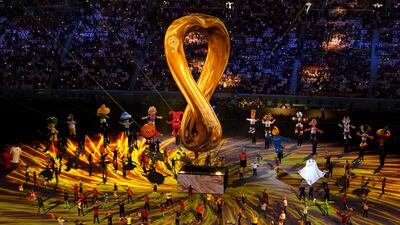
The opening ceremony of the Fifa World Cup 2022 at the Al Bayt Stadium, Al Khor. PA -
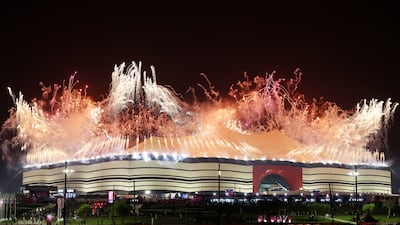
Fireworks explode during the show. Getty Images -
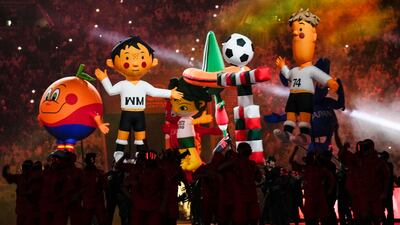
Mascots of former World Cups united. AP Photo -

Qatar's Emir Sheikh Tamim, centre, Saudi Arabia's Crown Prince Mohammed bin Salman, right, Jordan's King Abdullah II King of Jordan, left, and Fifa president Gianni Infantino, second right, at the opening ceremony. AFP -

South Korean singer Jung Kook, centre, performs. AFP -

Dancers perform during the opening ceremony ahead of the Qatar 2022 World Cup Group A football match between Qatar and Ecuador at the Al-Bayt Stadium in Al Khor, north of Doha. AFP -
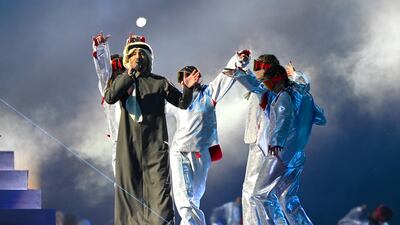
Singer Fahad Al-Kubaisi performs. Getty Images -
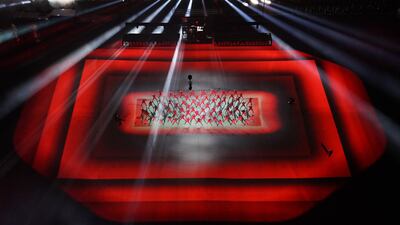
Performers welcomed the world during the opening ceremony. Reuters -

A giant inflatable emblem during the opening ceremony of the Fifa World Cup 2022 at the Al Bayt Stadium, Al Khor City. PA -
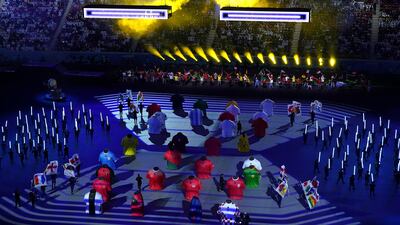
Performers during the opening ceremony. PA -
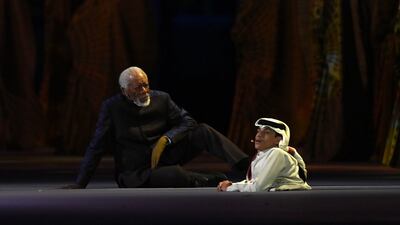
Morgan Freeman performs on stage. Getty Images -
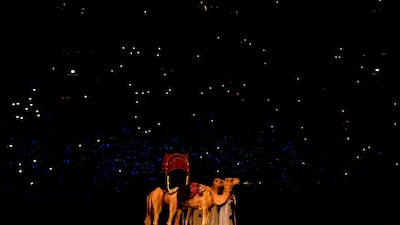
The performers opened the show. EPA -
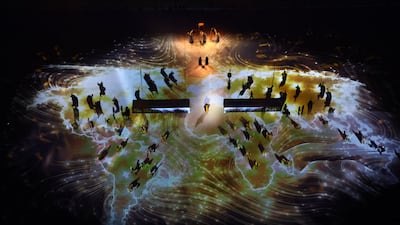
The Qatar World Cup opening ceremony. Reuters -
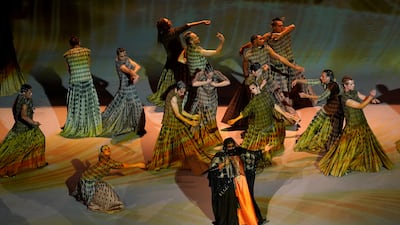
Dancers performing together. PA -
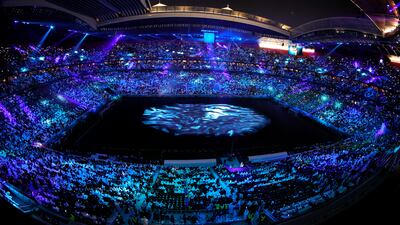
The opening ceremony before the Qatar versus Ecuador game. EPA -

Former footballer Marcel Desailly holds the Fifa World Cup trophy ahead of the opening ceremony. AFP -
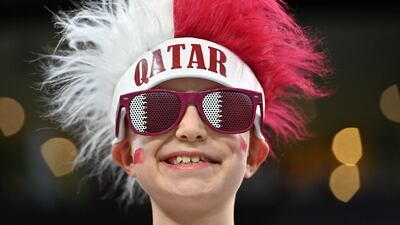
A young Qatar supporter at the stadium. EPA -
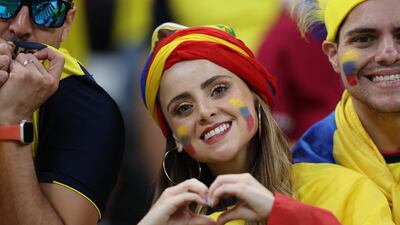
Ecuador fans in the stands before the opening ceremony of the Qatar World Cup. Reuters -

A dancer performs at sunset before the Fifa World Cup kicks off with a Group A match between hosts Qatar and Ecuador at the Al Bayt Stadium in Al Khor. PA -
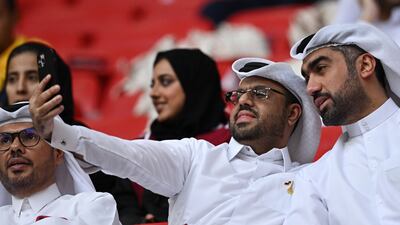
Fans record moments from the first match of Qatar 2022 inside the Al Bayt World Cup stadium. Reuters -
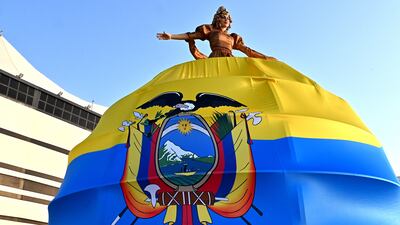
Performers outside the Al Bayt Stadium entertain the crowds before the Fifa World Cup 2022 Group A opening match between Qatar and Ecuador kicks off. EPA -
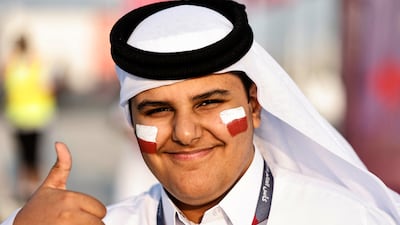
A Qatar fan wears his national colours outside the Al Bayt Stadium. Reuters -

Fans arrive at the Al Bayt Stadium before the opening ceremony of the Qatar World Cup begins. Reuters -

Qatar fans on rollerblades outside the Al Bayt Stadium. Reuters -
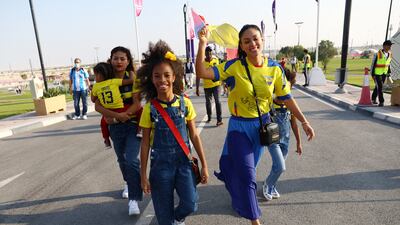
Ecuador fans on their way to watch the opening match of the Qatar World Cup 2022. Reuters -
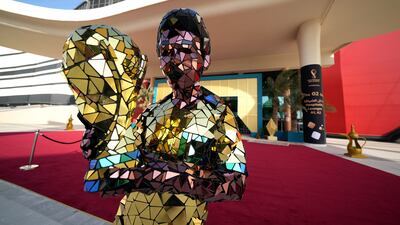
A performer with a replica World Cup before the Fifa World Cup Group A match gets under way at the Al Bayt Stadium in Al Khor, Qatar. PA


Ecuador rolled over host Qatar 2-0 in the opening match later in the evening, after a dazzling opening ceremony that featured a unifying call for humanity from Morgan Freeman, dance troupes, Arabic singers and spectacular light show.
Qatar’s loss may have dampened local spirits but not the anticipation among the thousands of other fans eagerly awaiting the arrival of their own teams.
Mr Vulinovic, who works in information technology, has six match tickets to watch both sides play in Doha, and is confident that the coming couple of weeks will be exciting.
“We are staying in Al Khor for a few days, then heading to one of the fan villages,” he said.
“Transport around Doha has been pretty good, but it has been a bit of a culture shock for us.
“Because we are staying up north, the landscape is so alien. We are used to the greenery of Melbourne but this is just so different.
“We are here for 12 nights, and have been planning to come for a while after missing so many holidays during Covid.”
-
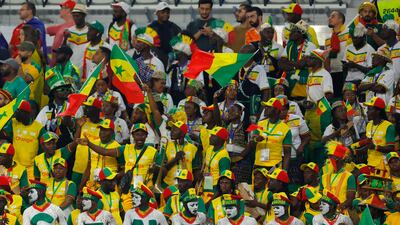
Senegal supporters cheer during the Qatar 2022 World Cup Group A football match against the Netherlands at the Al Thumama Stadium near Doha. AFP -

This Iranian fan can't watch as England hammered his country's team 6-2. Bloomberg -
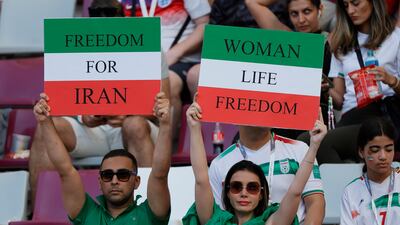
Iran supporters make a point before the match with England at Khalifa International Stadium in Doha. EPA -
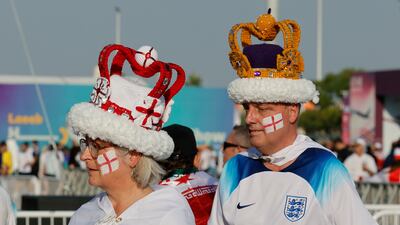
England fans en route to the game against Iran. EPA -
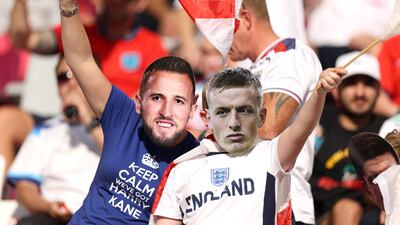
England fans ... or is it Harry Kane and Jordan Pickford? Getty Images -

Party time for Qatar supporters before the opening World Cup match against Ecuador at Al Bayt Stadium in Al Khor, north of Doha. The high spirits fizzled out as Qatar lost 2-0. AFP -

These Ecuador fans are dreaming big. AFP -
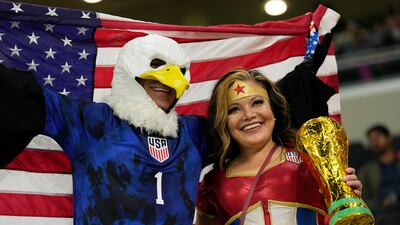
USA supporters wave the stars and stripes before playing Wales, at the Ahmad bin Ali Stadium in Umm Al Afaei, a match that was drawn 1-1. AP -
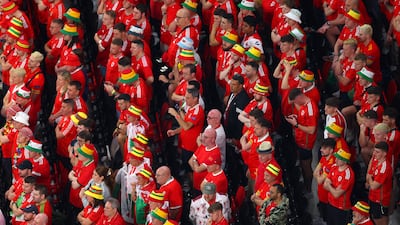
Wales fans show their support during the match against the USA at Ahmad bin Ali Stadium. Getty Images -
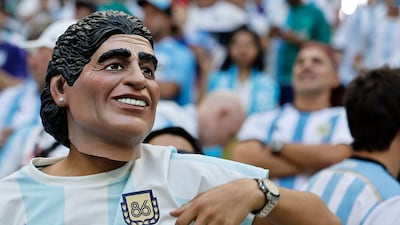
Even this Diego Maradona mask could have been left red-faced after Argentina succumbed 2-1 to Saudi Arabia in a shock result in Lusail. AFP -
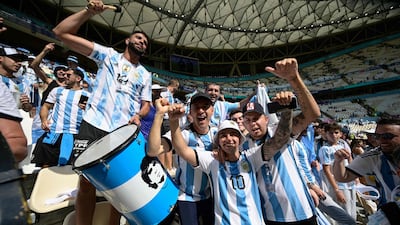
Argentina's supporters cheer before the start of the Group C football match against Saudi Arabia. AFP -

Saudi Arabia fans celebrate their team's victory over Argentina. AFP -

Many Saudi Arabia fans couldn't believe their historic win over Argentina. AFP -
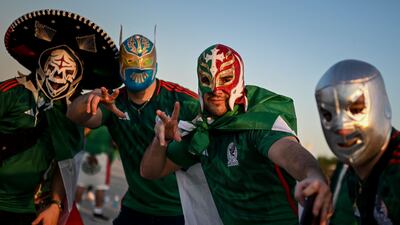
Masked Mexican supporters arrive for the World Cup match against Poland at Stadium 974. AFP -
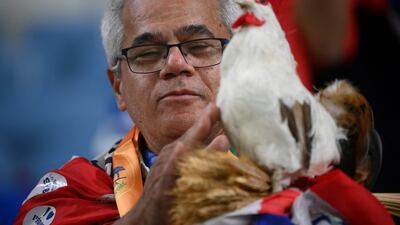
A France supporter holds a mock rooster in the run-up to the match against Australia at Al Janoub Stadium. AFP -

People dance at an official US football fan party at the Budweiser World Club in Doha. AP -
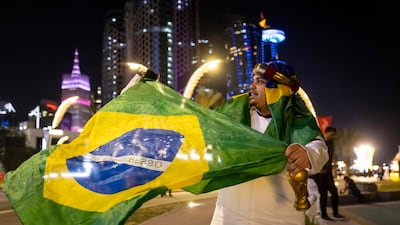
A fan waves the Brazilian national flag in Doha, during the opening day of the Qatar 2022 World Cup. AFP -
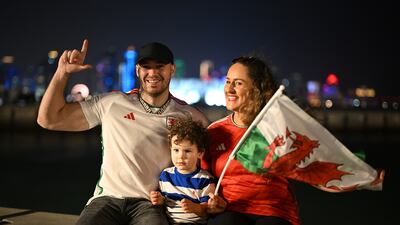
Fans watch the opening match on Doha Corniche. Getty Images -
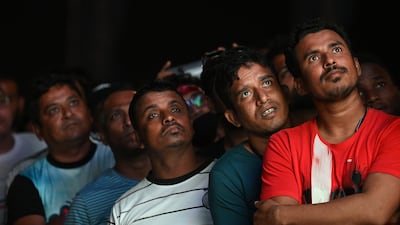
Eyes fixed on the screen at Doha Corniche. Getty Images -
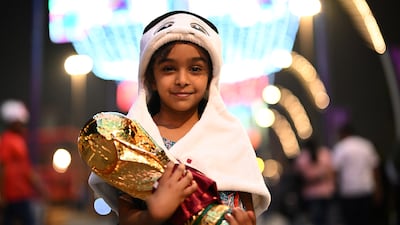
A young football fan on the Doha Corniche. Getty Images -

An Argentina fan in triumphant pose before the opening match between Qatar and Ecuador. Getty Images -
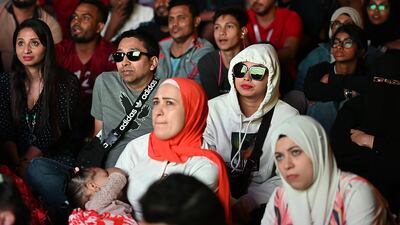
Fans watch at Doha Corniche. Getty Images -
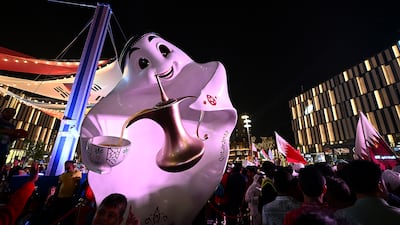
Football fans meet La'eeb, the Qatar World Cup mascot, at the Lusail Boulevard fan area. La'eeb is an Arabic word for a hotshot footballer. Getty Images -
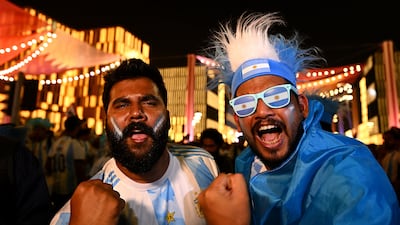
Football fans in Argentina colours at the Lusail Boulevard fan area. Getty -
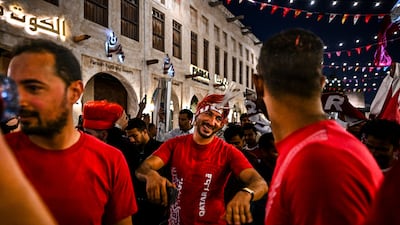
Qatar fans make the Souq Waqif marketplace in Doha their own before the 2022 World Cup kicks off. AFP -

Crowd control by Qatari police officers at the Fifa fan zone in Doha. AP -
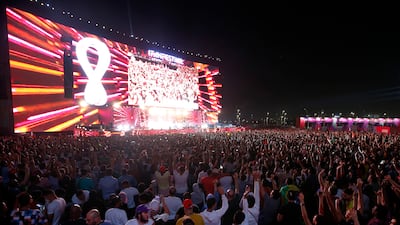
Celebration party time at the Fifa World Cup 2022 Qatar fan festival in Al Bidda Park, Doha. Getty -
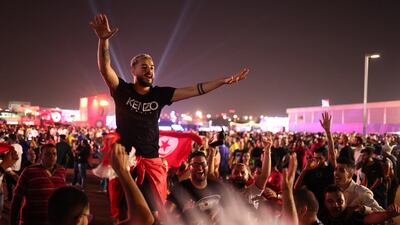
Fans at the opening of the Fifa fan festival. Reuters -
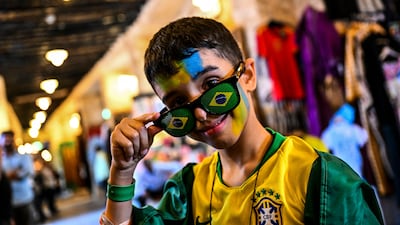
A young Brazil fan at the Souq Waqif marketplace in Doha. AFP -
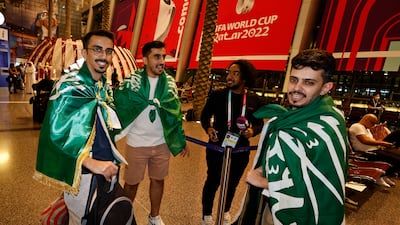
Saudi Arabia fans arrive in Qatar for the Fifa World Cup. Reuters -

Good to be here: a Mexico fan arrives in Qatar. Reuters -

Fan wears an image of Argentina's Lionel Messi close to his heart. Reuters -
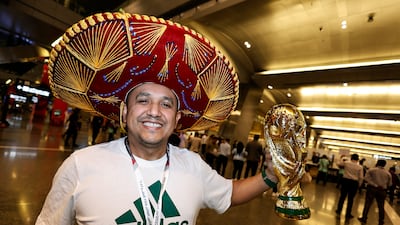
A low-key Mexico fan brings a replica World Cup to Qatar. Reuters -

Brazil fans gather outside the Westin Doha Hotel & Spa in Doha to welcome their team to Qatar. AFP -

Many people attend the Fifa fan festival opening day at Al Bidda Park in Doha. AFP -
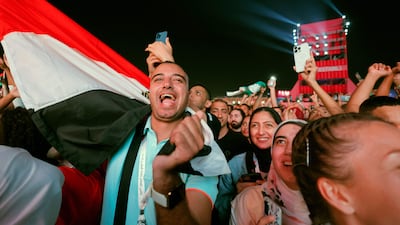
Many people attend the Fifa fan festival opening day at Al Bidda Park in Doha. AFP -
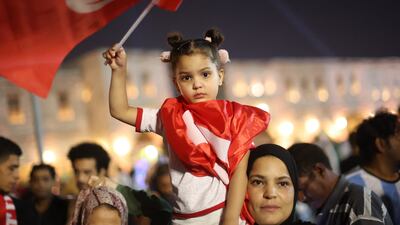
A young fan at Souq Waqif ahead of the World Cup in Doha, Qatar. Reuters


Australia face a tough group alongside France, Tunisia and Denmark, while Croatia will play Morocco, Belgium and Canada, which is competing in its first World Cup since 1986.
Mr Vulinovic’s son Ben was getting his first taste of a World Cup.
“It is a tough call to choose between supporting Croatia or Australia, but if both get to the final it would have to be the Aussies,” he said.
“But I don’t give us much hope of getting past the quarter-finals, so I will be following Croatia too.
“I wasn’t prepared for the heat. We were walking around most of the day and I wasn’t prepared, it was tough.”
'I can't say how much I spent to be here — I don't want my wife to find out!'

Earlier, supporters across the city arrived at some hotels, where the finishing touches were still being applied as they checked in and unloaded their bags.
Others found tent fan villages on the outskirts of Doha fell well below expectations, with insufficient air conditioning or a shortage of fresh drinking water.
Two Welsh fans from Wrexham, Adrian and Nick — both 47 — have tickets for their country's games against Iran and the US.
“It was tough getting a week away from home, but a World Cup doesn’t happen very often,” said Adrian, an engineer.
“I have spent about £2,000 for flights, tickets and accommodation on a cruise ship — it all seems well organised so far.”
Nick, also an engineer, said there were “a lot of Welsh on the cruise ship we are on, so it is good fun”.
“It is a mix of diehard Welsh fans who have followed the team for years and others who want to experience a World Cup for the first time,” he said.
“I can’t say how much it has cost as I don’t want my wife to find out but it has been expensive. It has take a long time to qualify so we can’t wait for it all to start — I think Wales can go all the way.”

