A man who has recovered from Covid-19 donates plasma in Lianyungang in China's eastern Jiangsu province on February 16. AFP

Coronavirus: UAE hospitals begin plasma treatment for Covid-19 patients


  • English
  • Arabic

An Emirati man, 29, became one of the first recovered coronavirus patients to donate his plasma to treat others still battling the virus in Abu Dhabi, it was announced on Sunday.

Sheikh Khalifa Medical City said the plasma was given intravenously to an infected patient being treated at the hospital.

Dr Fatima Al Kaabi, head of haematology and oncology, said doctors were monitoring the patient, who has moderate to severe symptoms, to test the treatment’s effectiveness.

“We are still waiting for the results of this treatment and we are optimistic that it will be promising," Dr Al Kaabi said. "We expect the patient’s condition to improve soon."

We are still waiting for the results of this treatment and we are optimistic that it will be promising

On Saturday, Dr Farida Al Hosani, spokeswoman for the UAE's health sector, said plasma treatment was being used in hospitals across the country.

Dr Al Hosani said the UAE was leaving no stone unturned to identify the best treatments and research studies to assist medical work.

That included looking into the use of the anti-malaria drug, hydroxychloroquine.

The use of plasma to treat Covid-19 was approved by the US Food and Drug Administration and has been adopted in hospitals worldwide.

Doctors have found that between 40 and 50 per cent of patients who undergo the treatment show promising results.

It is also being used in Dubai, the emirate’s health authority said on Sunday.

"There are criteria for selecting blood plasma recipients,” Dr Al Kaabi said.

Recipients must be aged between 16 and 75, and their condition must be moderate to severe.

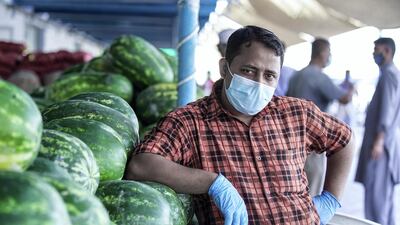
  • A fruit vendor with his watermelons at the Abu Dhabi Fruits and Vegetables Market during the Coronavirus epidemic. Victor Besa / The National
    A fruit vendor with his watermelons at the Abu Dhabi Fruits and Vegetables Market during the Coronavirus epidemic. Victor Besa / The National
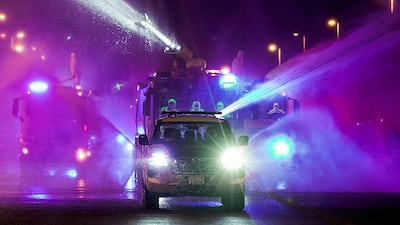
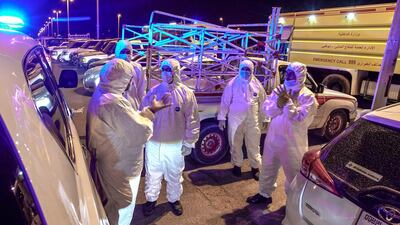
  • Abu Dhabi Civil Defence and Police sterilisation drive in Mussafah. Victor Besa / The National
    Abu Dhabi Civil Defence and Police sterilisation drive in Mussafah. Victor Besa / The National
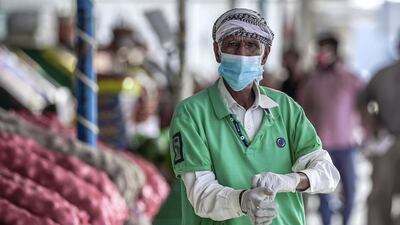
  • A vegetable vendor fixes his gloves at the Abu Dhabi Fruits and Vegetables Market during the Coronavirus epidemic. Victor Besa / The National
    A vegetable vendor fixes his gloves at the Abu Dhabi Fruits and Vegetables Market during the Coronavirus epidemic. Victor Besa / The National
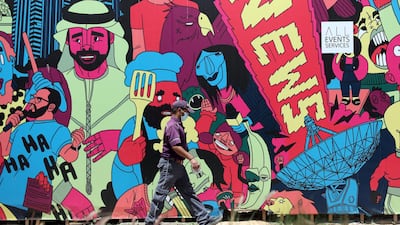
  • A key worker wears a facemask as he walks passed a brightly coloured mural in Media City, Dubai. Chris Whiteoak / The National
    A key worker wears a facemask as he walks passed a brightly coloured mural in Media City, Dubai. Chris Whiteoak / The National
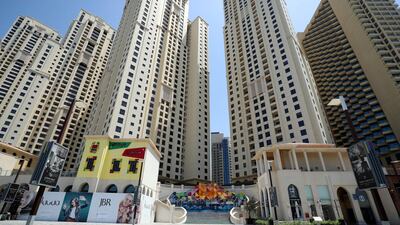
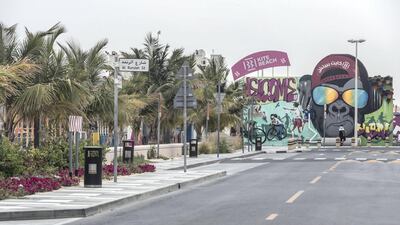
  • A deserted part of JBR, Dubai. Chris Whiteoak / The National
    A deserted part of JBR, Dubai. Chris Whiteoak / The National
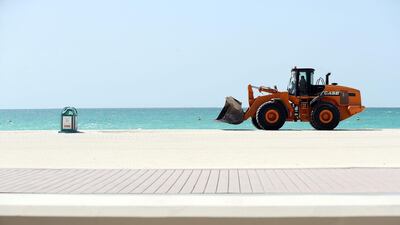
  • A digger does some work on an empty Jumeirah beach, this is normally a very popular spot for beach goers, Dubai. Chris Whiteoak / The National
    A digger does some work on an empty Jumeirah beach, this is normally a very popular spot for beach goers, Dubai. Chris Whiteoak / The National
  • Abu Dhabi Civil Defence and Police sterilisation drive in Mussafah. Victor Besa / The National
    Abu Dhabi Civil Defence and Police sterilisation drive in Mussafah. Victor Besa / The National
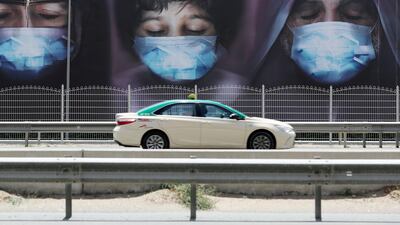
  • A poster on Sheikh Zayed Road shows a family wearing facemasks tell people to Stay at home, Dubai. Chris Whiteoak / The National
    A poster on Sheikh Zayed Road shows a family wearing facemasks tell people to Stay at home, Dubai. Chris Whiteoak / The National
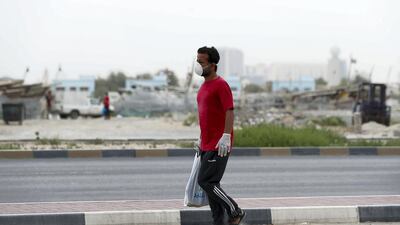
  • A man walks past fishing boats in Ajman wearing a mask amid the coronavirus crisis. Chris Whiteoak / The National
    A man walks past fishing boats in Ajman wearing a mask amid the coronavirus crisis. Chris Whiteoak / The National
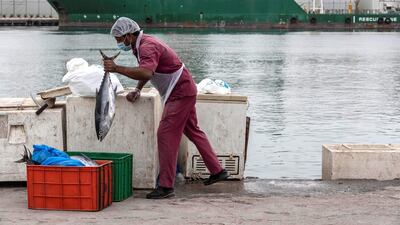
  • A market worker boxes up fish at Ras Al Khaimah's dock. Antonie Robertson / The National
    A market worker boxes up fish at Ras Al Khaimah's dock. Antonie Robertson / The National
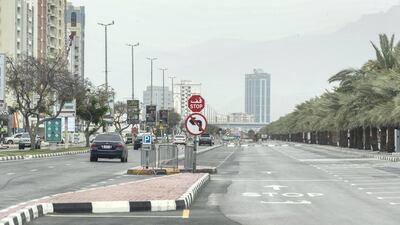
  • Empty streets in RAK as residents stay home for a third week. Antonie Robertson / The National
    Empty streets in RAK as residents stay home for a third week. Antonie Robertson / The National
  • Residents of the Northern Emirates must stay home from 8pm to 6am, but can leave home to shop for essentials outside of those times. Antonie Robertson / The National
    Residents of the Northern Emirates must stay home from 8pm to 6am, but can leave home to shop for essentials outside of those times. Antonie Robertson / The National
  • A sign outside Dubai Parks and Resorts offers support to frontline workers. Chris Whiteoak / The National
    A sign outside Dubai Parks and Resorts offers support to frontline workers. Chris Whiteoak / The National
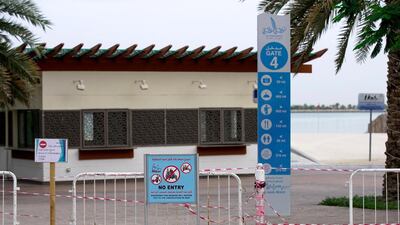
  • No entry signs at the closed Corniche in Abu Dhabi. Victor Besa / The National
    No entry signs at the closed Corniche in Abu Dhabi. Victor Besa / The National
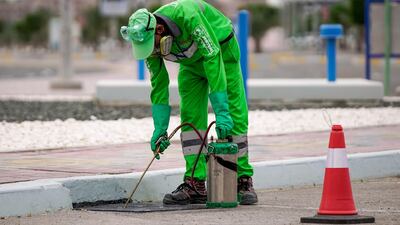
  • A street cleaner sanitises gutters at Marina Mall car park in Abu Dhabi. Victor Besa / The National
    A street cleaner sanitises gutters at Marina Mall car park in Abu Dhabi. Victor Besa / The National
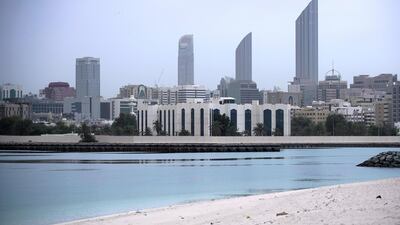
  • The normally busy beaches of Abu Dhabi have been deserted in recent weeks. Victor Besa / The National
    The normally busy beaches of Abu Dhabi have been deserted in recent weeks. Victor Besa / The National
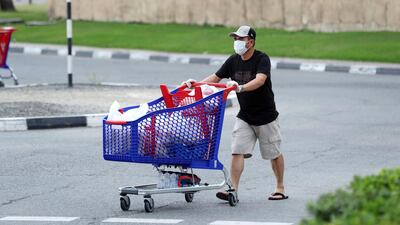
  • A shopper picks up essentials at Carrefour in Dubai's Ibn Battuta Mall. Dubai residents must apply for a permit to leave home. Chris Whiteoak / The National
    A shopper picks up essentials at Carrefour in Dubai's Ibn Battuta Mall. Dubai residents must apply for a permit to leave home. Chris Whiteoak / The National
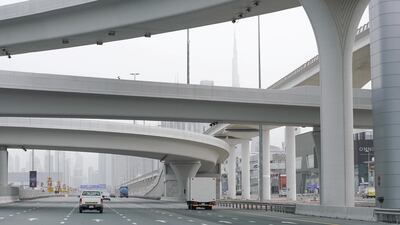
  • The only vehicles on Dubai's roads are delivery trucks, bike couriers and minibuses taking essential personnel to and from work. Victor Besa / The National
    The only vehicles on Dubai's roads are delivery trucks, bike couriers and minibuses taking essential personnel to and from work. Victor Besa / The National
  • The empty Al Maktoum Road near Deira Clock Tower in Dubai. It would normally be one of the city's busiest streets. Pawan Singh / The National
    The empty Al Maktoum Road near Deira Clock Tower in Dubai. It would normally be one of the city's busiest streets. Pawan Singh / The National
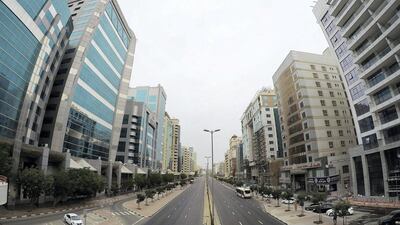
  • A 24-hour stay-home order and the disinfecting of streets has left Dubai streets mostly deserted. Pawan Singh / The National
    A 24-hour stay-home order and the disinfecting of streets has left Dubai streets mostly deserted. Pawan Singh / The National
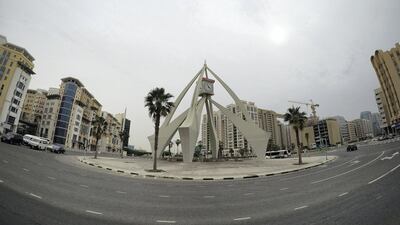
  • The famous Deira Clock Tower at the heart of the city's old town. Pawan Singh / The National
    The famous Deira Clock Tower at the heart of the city's old town. Pawan Singh / The National
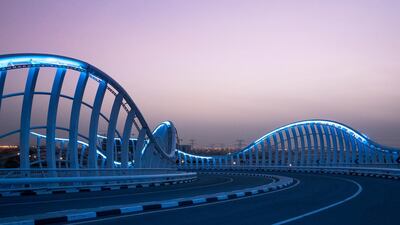
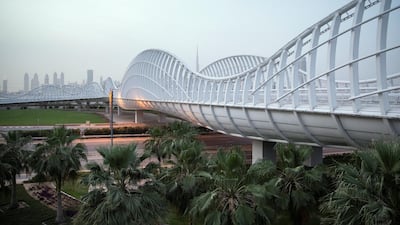
  • The bridge to Meydan hotel and racecourse stands empty on Saturday evening. Reem Mohammed / The National
    The bridge to Meydan hotel and racecourse stands empty on Saturday evening. Reem Mohammed / The National
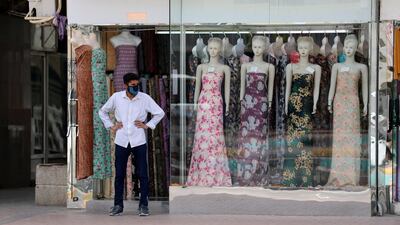
  • A shopkeeper waits outside his dress store in Al Ain. Chris Whiteoak / The National
    A shopkeeper waits outside his dress store in Al Ain. Chris Whiteoak / The National
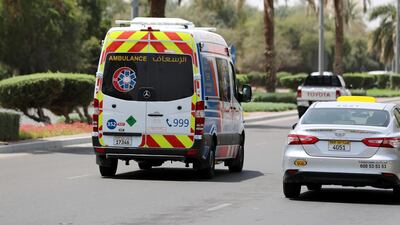
  • An ambulance on a street in Al Ain. Chris Whiteoak / The National
    An ambulance on a street in Al Ain. Chris Whiteoak / The National
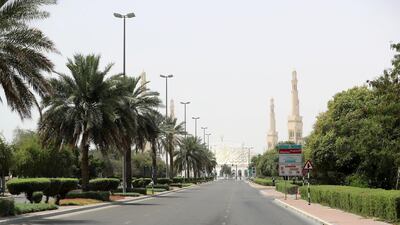
  • A quiet street leads to Sheikh Khalifa bin Zayed Grand mosque in Al Ain. Chris Whiteoak / The National
    A quiet street leads to Sheikh Khalifa bin Zayed Grand mosque in Al Ain. Chris Whiteoak / The National
  • The empty bridge to Meydan during daytime. Reem Mohammed / The National
    The empty bridge to Meydan during daytime. Reem Mohammed / The National
  • Dubai residents must remain indoors at all times, unless they have a permit for essential shopping. Reem Mohammed / The National
    Dubai residents must remain indoors at all times, unless they have a permit for essential shopping. Reem Mohammed / The National
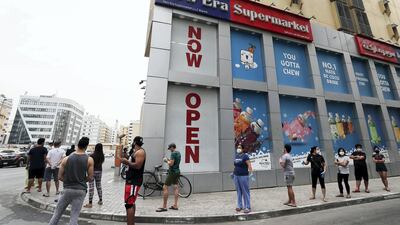
  • Residents queue outside a supermarket in the Muraqqabat area of Deira in Dubai. Pawan Singh / The National
    Residents queue outside a supermarket in the Muraqqabat area of Deira in Dubai. Pawan Singh / The National
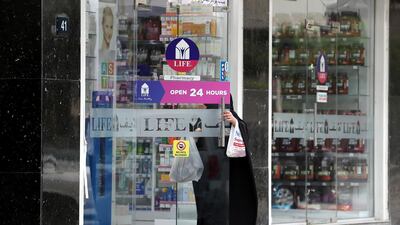
  • A customer enters a pharmacy in Dubai. Pharmacies and supermarkets are the only stores allowed to remain open to the public. Pawan Singh / The National
    A customer enters a pharmacy in Dubai. Pharmacies and supermarkets are the only stores allowed to remain open to the public. Pawan Singh / The National
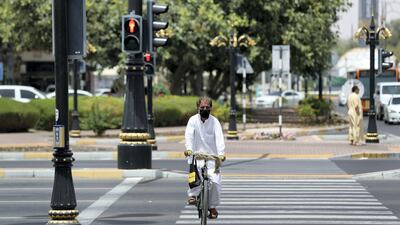
  • A man rides his bike across the street in Al Ain. Chris Whiteoak / The National
    A man rides his bike across the street in Al Ain. Chris Whiteoak / The National
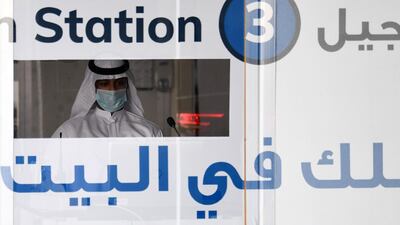
  • A medical worker in a booth prepares to swab residents at a drive-through test centre in the Dubai suburb of Khawaneej. AFP
    A medical worker in a booth prepares to swab residents at a drive-through test centre in the Dubai suburb of Khawaneej. AFP
  • Dubai skyline during lockdown. Antonie Robertson / The National
    Dubai skyline during lockdown. Antonie Robertson / The National
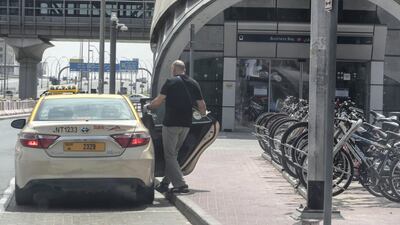
  • A man takes a taxi after leaving the Business Bay Metro station, Dubai. Antonie Robertson / The National
    A man takes a taxi after leaving the Business Bay Metro station, Dubai. Antonie Robertson / The National
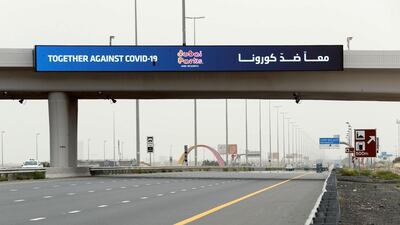
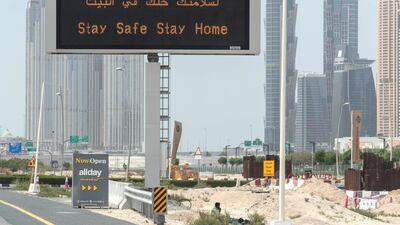
  • An awareness board on Meydan road, Dubai. Antonie Robertson / The National
    An awareness board on Meydan road, Dubai. Antonie Robertson / The National
  • The empty Kite Beach area of Dubai. Antonie Robertson / The National
    The empty Kite Beach area of Dubai. Antonie Robertson / The National
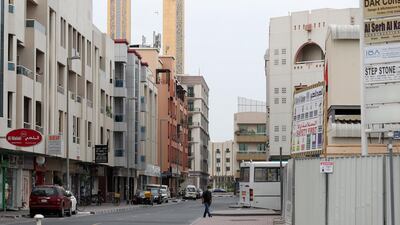
  • A healthcare worker crosses an empty street in Bur Dubai while wearing a mask amid the coronavirus outbreak. Chris Whiteoak / The National
    A healthcare worker crosses an empty street in Bur Dubai while wearing a mask amid the coronavirus outbreak. Chris Whiteoak / The National
  • A gentleman crosses an empty street in Oud Metha in Dubai. Chris Whiteoak / The National
    A gentleman crosses an empty street in Oud Metha in Dubai. Chris Whiteoak / The National
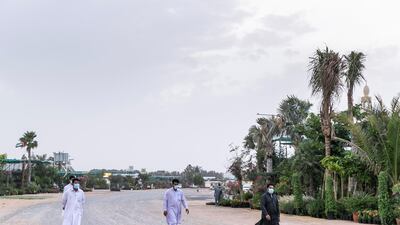
  • Men in face mask walking by nurseries in Warsan. Reem Mohammed / The National
    Men in face mask walking by nurseries in Warsan. Reem Mohammed / The National

“They must also not suffer from any health conditions that would prevent their body from accepting plasma," Dr Al Kaabi said.

"One of the most important criteria for choosing the recipient is that their blood group must match that of the donor."

Plasma can be donated at a blood bank. The blood is donated whole and the plasma is extracted.

The extracted plasma from one donation can typically be used to treat two patients.

“In the absence of a drug or vaccine against this rapidly spreading virus, we decided to expedite the use of blood plasma therapy to save those in critical situations,” said Dr Mariam Al Mazrouei, chief executive of the hospital.

The use of plasma in medical treatment dates to before the Spanish flu pandemic in 1918.

It involves using the plasma of people who have recovered from a viral infection, and therefore have antibodies in their blood that can rapidly detect and destroy the virus.

The plasma can boost their immune systems and potentially provide protection.

With only a relatively small number of patients so far treated with plasma and no formal trials under way, it is difficult to know how effective the treatment really is in this case.

But two medical teams working in separate hospitals in China gave donated plasma to 15 critically ill patients and recorded significant improvements in their symptoms.

Bridgerton%20season%20three%20-%20part%20one
%3Cp%3E%3Cstrong%3EDirectors%3A%20%3C%2Fstrong%3EVarious%3C%2Fp%3E%0A%3Cp%3E%3Cstrong%3EStarring%3A%3C%2Fstrong%3E%20Nicola%20Coughlan%2C%20Luke%20Newton%2C%20Jonathan%20Bailey%3C%2Fp%3E%0A%3Cp%3E%3Cstrong%3ERating%3A%20%3C%2Fstrong%3E3%2F5%3C%2Fp%3E%0A
Wonka
%3Cp%3E%3Cstrong%3EDirector%3A%3C%2Fstrong%3E%C2%A0Paul%20King%3C%2Fp%3E%0A%3Cp%3E%3Cstrong%3EStarring%3A%C2%A0%3C%2Fstrong%3ETimothee%20Chalamet%2C%20Olivia%20Colman%2C%20Hugh%20Grant%3C%2Fp%3E%0A%3Cp%3E%3Cstrong%3ERating%3A%3C%2Fstrong%3E%202%2F5%3C%2Fp%3E%0A
Married Malala

Malala Yousafzai is enjoying married life, her father said.

The 24-year-old married Pakistan cricket executive Asser Malik last year in a small ceremony in the UK.

Ziauddin Yousafzai told The National his daughter was ‘very happy’ with her husband.

The specs
Engine: 2.0-litre 4-cyl turbo

Power: 201hp at 5,200rpm

Torque: 320Nm at 1,750-4,000rpm

Transmission: 6-speed auto

Fuel consumption: 8.7L/100km

Price: Dh133,900

On sale: now 

MOUNTAINHEAD REVIEW

Starring: Ramy Youssef, Steve Carell, Jason Schwartzman

Director: Jesse Armstrong

Rating: 3.5/5

If you go

The flights

Etihad and Emirates fly direct from the UAE to Chicago from Dh5,215 return including taxes.

The hotels

Recommended hotels include the Intercontinental Chicago Magnificent Mile, located in an iconic skyscraper complete with a 1929 Olympic-size swimming pool from US$299 (Dh1,100) per night including taxes, and the Omni Chicago Hotel, an excellent value downtown address with elegant art deco furnishings and an excellent in-house restaurant. Rooms from US$239 (Dh877) per night including taxes. 

Scoreline

Chelsea 1
Azpilicueta (36')

West Ham United 1
Hernandez (73')

Heavily-sugared soft drinks slip through the tax net

Some popular drinks with high levels of sugar and caffeine have slipped through the fizz drink tax loophole, as they are not carbonated or classed as an energy drink.

Arizona Iced Tea with lemon is one of those beverages, with one 240 millilitre serving offering up 23 grams of sugar - about six teaspoons.

A 680ml can of Arizona Iced Tea costs just Dh6.

Most sports drinks sold in supermarkets were found to contain, on average, five teaspoons of sugar in a 500ml bottle.

Mercer, the investment consulting arm of US services company Marsh & McLennan, expects its wealth division to at least double its assets under management (AUM) in the Middle East as wealth in the region continues to grow despite economic headwinds, a company official said.

Mercer Wealth, which globally has $160 billion in AUM, plans to boost its AUM in the region to $2-$3bn in the next 2-3 years from the present $1bn, said Yasir AbuShaban, a Dubai-based principal with Mercer Wealth.

Within the next two to three years, we are looking at reaching $2 to $3 billion as a conservative estimate and we do see an opportunity to do so,” said Mr AbuShaban.

Mercer does not directly make investments, but allocates clients’ money they have discretion to, to professional asset managers. They also provide advice to clients.

“We have buying power. We can negotiate on their (client’s) behalf with asset managers to provide them lower fees than they otherwise would have to get on their own,” he added.

Mercer Wealth’s clients include sovereign wealth funds, family offices, and insurance companies among others.

From its office in Dubai, Mercer also looks after Africa, India and Turkey, where they also see opportunity for growth.

Wealth creation in Middle East and Africa (MEA) grew 8.5 per cent to $8.1 trillion last year from $7.5tn in 2015, higher than last year’s global average of 6 per cent and the second-highest growth in a region after Asia-Pacific which grew 9.9 per cent, according to consultancy Boston Consulting Group (BCG). In the region, where wealth grew just 1.9 per cent in 2015 compared with 2014, a pickup in oil prices has helped in wealth generation.

BCG is forecasting MEA wealth will rise to $12tn by 2021, growing at an annual average of 8 per cent.

Drivers of wealth generation in the region will be split evenly between new wealth creation and growth of performance of existing assets, according to BCG.

Another general trend in the region is clients’ looking for a comprehensive approach to investing, according to Mr AbuShaban.

“Institutional investors or some of the families are seeing a slowdown in the available capital they have to invest and in that sense they are looking at optimizing the way they manage their portfolios and making sure they are not investing haphazardly and different parts of their investment are working together,” said Mr AbuShaban.

Some clients also have a higher appetite for risk, given the low interest-rate environment that does not provide enough yield for some institutional investors. These clients are keen to invest in illiquid assets, such as private equity and infrastructure.

“What we have seen is a desire for higher returns in what has been a low-return environment specifically in various fixed income or bonds,” he said.

“In this environment, we have seen a de facto increase in the risk that clients are taking in things like illiquid investments, private equity investments, infrastructure and private debt, those kind of investments were higher illiquidity results in incrementally higher returns.”

The Abu Dhabi Investment Authority, one of the largest sovereign wealth funds, said in its 2016 report that has gradually increased its exposure in direct private equity and private credit transactions, mainly in Asian markets and especially in China and India. The authority’s private equity department focused on structured equities owing to “their defensive characteristics.”

COMPANY%20PROFILE%20
%3Cp%3EName%3A%20DarDoc%3Cbr%3EBased%3A%20Abu%20Dhabi%3Cbr%3EFounders%3A%20Samer%20Masri%2C%20Keswin%20Suresh%3Cbr%3ESector%3A%20HealthTech%3Cbr%3ETotal%20funding%3A%20%24800%2C000%3Cbr%3EInvestors%3A%20Flat6Labs%2C%20angel%20investors%20%2B%20Incubated%20by%20Hub71%2C%20Abu%20Dhabi's%20Department%20of%20Health%3Cbr%3ENumber%20of%20employees%3A%2010%3C%2Fp%3E%0A
Company%20Profile
%3Cp%3E%3Cstrong%3ECompany%20name%3A%3C%2Fstrong%3E%20myZoi%3Cbr%3E%3Cstrong%3EStarted%3A%3C%2Fstrong%3E%202021%3Cbr%3E%3Cstrong%3EFounders%3A%3C%2Fstrong%3E%20Syed%20Ali%2C%20Christian%20Buchholz%2C%20Shanawaz%20Rouf%2C%20Arsalan%20Siddiqui%2C%20Nabid%20Hassan%3Cbr%3E%3Cstrong%3EBased%3A%3C%2Fstrong%3E%20UAE%3Cbr%3E%3Cstrong%3ENumber%20of%20staff%3A%3C%2Fstrong%3E%2037%3Cbr%3E%3Cstrong%3EInvestment%3A%3C%2Fstrong%3E%20Initial%20undisclosed%20funding%20from%20SC%20Ventures%3B%20second%20round%20of%20funding%20totalling%20%2414%20million%20from%20a%20consortium%20of%20SBI%2C%20a%20Japanese%20VC%20firm%2C%20and%20SC%20Venture%3C%2Fp%3E%0A
The%20specs
%3Cp%3E%3Cstrong%3EEngine%3A%3C%2Fstrong%3E%202-litre%204-cylinder%3Cbr%3E%3Cstrong%3EPower%3A%20%3C%2Fstrong%3E153hp%20at%206%2C000rpm%3Cbr%3E%3Cstrong%3ETorque%3A%20%3C%2Fstrong%3E200Nm%20at%204%2C000rpm%3Cbr%3E%3Cstrong%3ETransmission%3A%20%3C%2Fstrong%3E6-speed%20auto%3Cbr%3E%3Cstrong%3EFuel%20consumption%3A%20%3C%2Fstrong%3E6.3L%2F100km%3Cbr%3E%3Cstrong%3EPrice%3A%20%3C%2Fstrong%3EDh106%2C900%3Cbr%3E%3Cstrong%3EOn%20sale%3A%20%3C%2Fstrong%3Enow%3C%2Fp%3E%0A
The%20specs
%3Cp%3E%3Cstrong%3EPowertrain%3A%20%3C%2Fstrong%3ESingle%20electric%20motor%0D%3Cbr%3E%3Cstrong%3EPower%3A%20%3C%2Fstrong%3E201hp%0D%3Cbr%3E%3Cstrong%3ETorque%3A%20%3C%2Fstrong%3E310Nm%0D%3Cbr%3E%3Cstrong%3ETransmission%3A%20%3C%2Fstrong%3ESingle-speed%20auto%0D%3Cbr%3E%3Cstrong%3EBattery%3A%20%3C%2Fstrong%3E53kWh%20lithium-ion%20battery%20pack%20(GS%20base%20model)%3B%2070kWh%20battery%20pack%20(GF)%0D%3Cbr%3E%3Cstrong%3ETouring%20range%3A%20%3C%2Fstrong%3E350km%20(GS)%3B%20480km%20(GF)%0D%3Cbr%3E%3Cstrong%3EPrice%3A%20%3C%2Fstrong%3EFrom%20Dh129%2C900%20(GS)%3B%20Dh149%2C000%20(GF)%0D%3Cbr%3E%3Cstrong%3EOn%20sale%3A%3C%2Fstrong%3E%20Now%3C%2Fp%3E%0A